

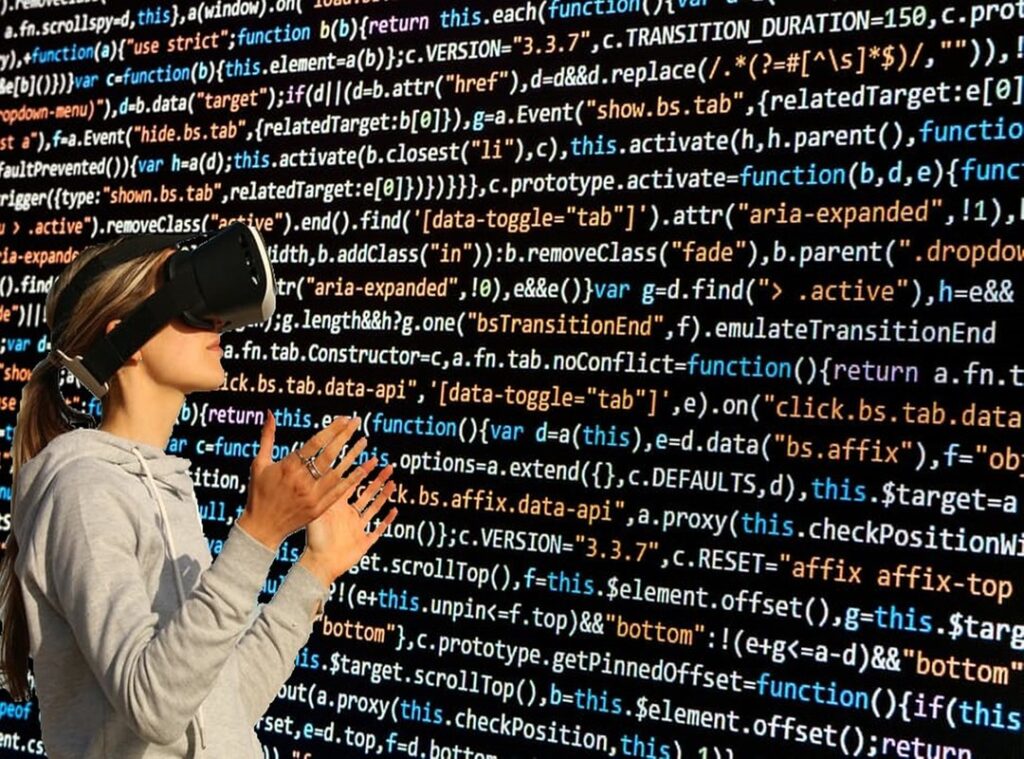
Most people think of virtual reality as just a tool for gaming. But it’s so much more than that.
Many don’t realize how virtual reality uses are already making a real impact across various industries.
In this article, I’ll explore how VR is solving real-world challenges. From healthcare to education, it’s transforming the way we approach problems.
I’ve dug deep into tech trends and seen practical applications in action. So trust me when I say, VR is not just a gimmick. It’s a game-changer.
You might be wondering why anyone should care. Well, understanding VR’s potential can open up new avenues for innovation and problem-solving.
I promise to demystify VR for you. By the end, you’ll see its genuine utility and why it deserves more attention than just being a gaming device.
Let’s dive into the multiple ways this technology is already reshaping our world.
Beyond the Headset: VR’s New Worlds
VR isn’t just a headset. It’s your portal to alternate realities. Traditional gaming?
Just a flat screen that can’t touch the depth VR offers. Room-scale VR lets you move freely, making each step a part of the game. Feel the game world with haptic feedback. (You’re not just holding a controller.) It’s like when your favorite game shows up in your living room.
Multiplayer social VR platforms are where the magic happens. You’re not just playing; you’re hanging out with friends in worlds that defy physics. Ever attended a virtual concert?
It’s not the same as watching a YouTube clip. The crowd, the energy, the experience (unmatched.) Even movies are different. With VR, you’re in the story.
Imagine an interactive narrative where your decisions change the plot.
Unparalleled immersion is VR’s promise, offering deeper emotional connections and social interactions that a flat screen can’t deliver. Speaking of tech, if you’re curious about more innovations, check out blockchain applications explained. It’s not just about gaming. VR is changing how we experience entertainment, offering new forms we didn’t know we wanted. Do you see where this is heading? Virtual reality uses are expanding, and it’s just the beginning.
Healing and Learning: VR’s Impact on Medicine
Virtual reality uses in healthcare are nothing short of game-changing. Doctors and students use VR to practice surgeries without risking lives. Imagine the pressure relief!
These simulations provide a safe space to learn complex procedures. It’s like having a practice run before the real deal.
I can’t overlook VR’s role in pain management either. Patients can escape discomfort by diving into immersive environments. It’s like giving their brains a vacation from pain.
This distraction method is profoundly effective in clinical settings. Chronic pain patients benefit too, finding solace in digital landscapes.
Therapy is another area where VR shines. Exposure therapy for phobias, like fear of heights, takes on a new dimension with VR. You get to face your fears in a controlled setting.
PTSD treatments see improvements with this approach. No more dreaded therapy sessions (just) immersive healing.
Rehabilitation gets a boost from VR too. Patients recovering motor skills engage in exercises that feel more like games. You make progress without the monotony of typical rehab routines.
Hospitals today use VR systems like the MindMotion Pro for cognitive recovery. It’s a game-changer.
So, does VR really work in medicine? Absolutely. It’s transforming healthcare, one headset at a time.
VR in Education: The Future of Learning
Virtual reality uses are changing how we learn. Imagine this: you’re sitting in a classroom, but instead of just listening to a lecture, you’re exploring ancient Rome or diving into the human body. That’s the magic of VR.
It transforms traditional learning into an interactive experience. And let’s face it, who wouldn’t prefer a virtual field trip over a textbook?
In vocational training, VR is a game changer. Operating heavy machinery or handling complex equipment without risk? You bet.
It’s all about learning by doing, minus the danger (and insurance headaches). This approach boosts understanding and engagement.
I’ve seen VR in action at corporate onboarding sessions and it’s impressive. Employees can practice scenarios without real-world consequences. It’s training that sticks because it’s hands-on.
But VR isn’t just for the workplace. Students exploring scientific concepts in 3D or participating in medical simulations get a head start on real-world applications. The benefits are clear: increased retention, enhanced skills, and access to resources anywhere.
Curious about how VR works in education? Check out this overview.
The takeaway? VR isn’t just cool tech. It’s a revolution in education and training.
Building Imaginations: VR’s Role in Design and Real Estate
Virtual reality is changing the game for architects and designers. Imagine walking through a building that doesn’t exist yet. Crazy, right?
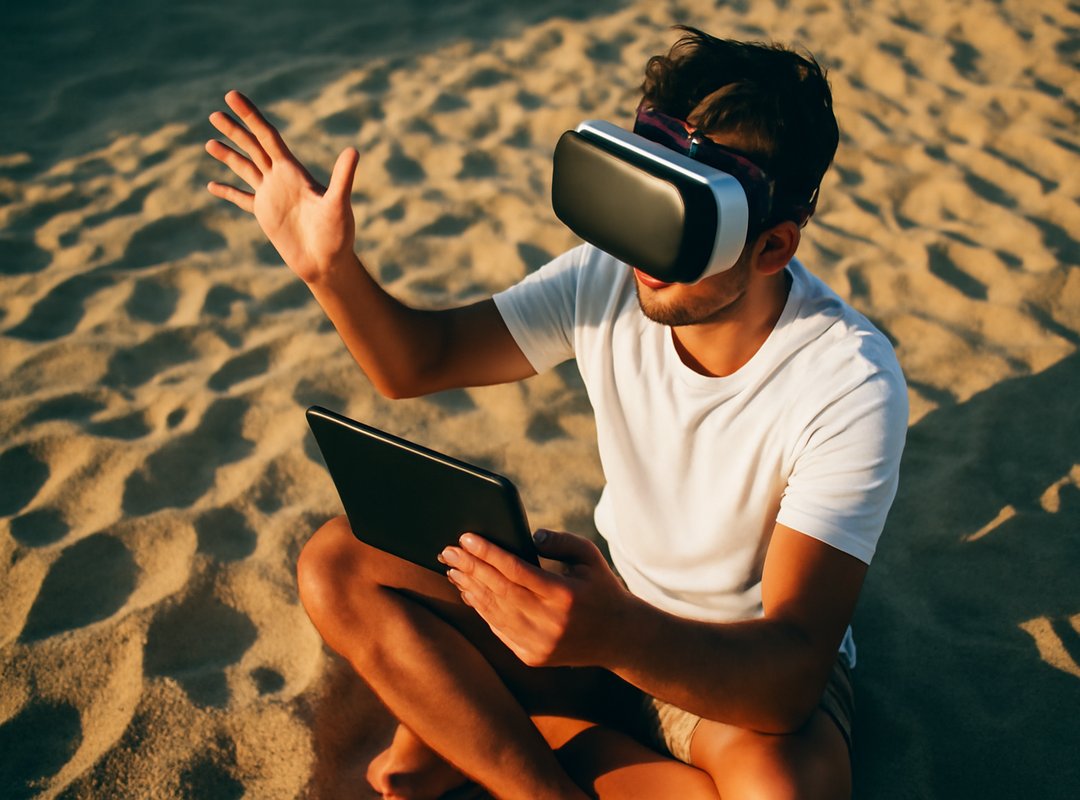
With VR, clients can do just that. They can explore spaces before a single brick is laid. It’s like seeing the future (without the DeLorean).
Interior designers are jumping on the VR bandwagon too. Visualizing furniture and layouts in a virtual model? That’s like having a magic wand for your home makeover.
Real estate? VR tours are a godsend. Potential buyers can wander through properties from their couch.
You can try out that bold red couch or weirdly shaped lamp without lifting a finger.
No more awkward open houses or long drives. It’s global house-hunting made easy.
The advantages are clear. Faster feedback cycles mean less waiting around. No need for endless physical mock-ups when you can tweak designs in VR.
And client satisfaction? Through the roof. They finally “get” the vision.
Some design firms and agencies are already leveraging VR to simplify processes. They’re cutting costs and saving time. It’s the future, plain and simple.
The virtual reality uses in architecture and real estate are just getting started. So, are you ready to see where it goes next?
Efficiency and Innovation: VR in Manufacturing and Engineering
Virtual reality uses are shaking up the manufacturing and engineering industries. Think about it: designing and prototyping in a virtual world means engineers can test and refine without wasting materials. It’s like having a digital playground where mistakes don’t cost a dime.
You save time too, which is always a win.
Assembly training? That’s getting a makeover. Imagine workers learning complex procedures with interactive 3D models.
They get hands-on experience without touching a single tool. Safety improves, errors drop, and training becomes a breeze.
Remote collaboration is another game-changer. Teams spread across the globe can now review designs or troubleshoot issues in real-time, all in a shared virtual space. It’s like a meeting room that defies geography. (Way cooler than video calls, right?)
The benefits are crystal clear: improved safety, fewer errors, faster development cycles, and, of course, cost savings. Picture a virtual factory tour for new employees. Or collaborative design reviews for automotive parts.
The possibilities are endless.
And if you’re curious about other tech trends, check out the evolution cryptocurrencies. It’s all about keeping up with the future, isn’t it?
Embracing the VR Revolution
You’ve seen how virtual reality uses extend far beyond a gimmick. It’s a game changer in many fields.
This technology creates immersive experiences that let us learn, train, and explore without risk or limitations.
Think about how VR could impact your life or industry.
The potential is immense.
You owe it to yourself to dive deeper into this tech.
Stay curious and keep exploring what virtual reality can do for you.
Don’t miss out on what’s next.
I encourage you to start your journey into VR today.
It’s time to step into the future.