

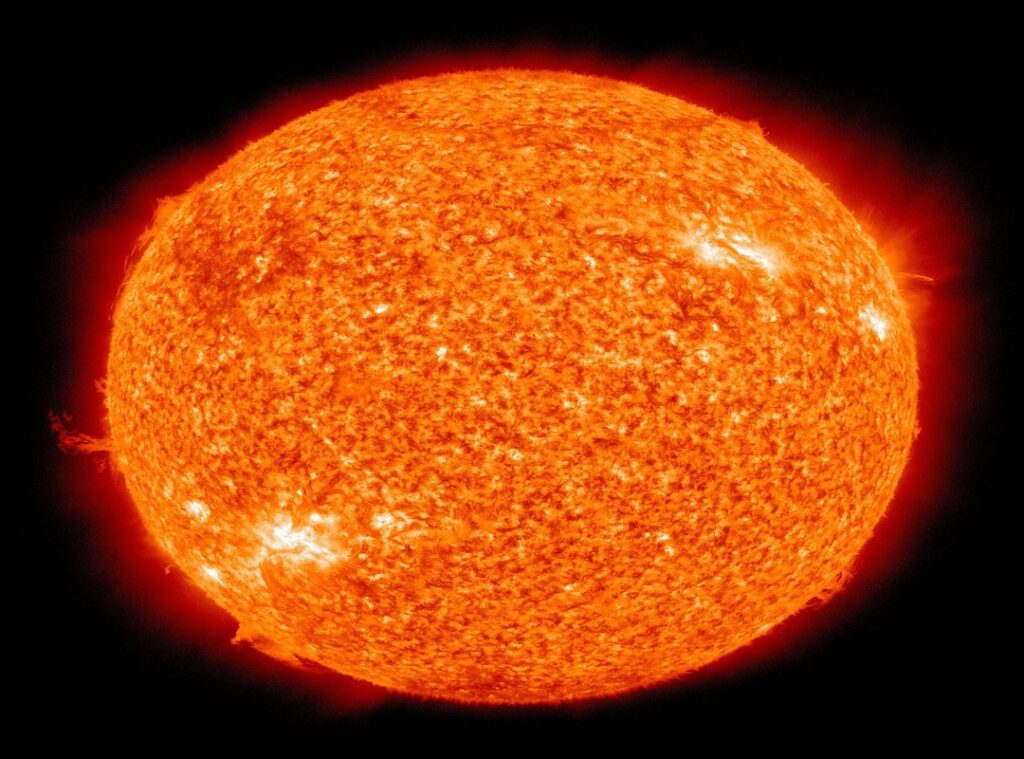
The world faces a grand challenge: sustainable energy for a growing population. Current solutions often fall short. Intermittency and land use issues create barriers we can’t ignore.
So, what if there was a way to use solar energy from space?
This idea could change everything. Space solar power promises to address the limitations of our current energy systems.
In this article, I will explore modern innovations in this field. I’ll break down the mechanics behind this concept and examine its immense potential.
I know these technologies can seem complex, but I’m here to make them accessible. You’ll receive trustworthy takeaways based on thorough research and analysis.
I’ll also tackle the significant hurdles that space solar power faces.
What does this mean for our energy future?
I’ll answer fundamental questions about this futuristic energy source.
By the end, you should have a clearer understanding of what space-based solar power could mean for all of us. Let’s dive into the promise of harnessing energy from above.
Space-Based Solar Power: Energy’s New Frontier
Space-based solar power (SBSP) sounds like science fiction, right? But it’s not. The concept is straightforward: capture solar energy directly in space.
Unlike terrestrial solar farms, these systems don’t rely on the sun peeking through clouds or waiting for daylight. They use the sun’s energy 24/7, without atmospheric interference. Think about it.
Space doesn’t have weather or nightfall. That’s a game-changer.
Peter Glaser was one of the pioneers who envisioned this back in the 1960s. His early models laid the groundwork for what could be a monumental shift in energy. What’s the core advantage here?
It’s simple. Unstoppable, constant energy flow. No more dealing with the variability that plagues ground-based renewables.
An SBSP system would use orbital collectors to gather sunlight. Then, it would transmit this energy wirelessly to Earth. Ground receivers would capture it for our use.
It’s a bold idea, aiming to solve some of our toughest energy challenges. It’s about time we rethink the limits of solar power (or as I like to call it, space solar power). Why settle for less when we can aim for the stars?
Space Solar Power: From Orbit to Grid
Space solar power sounds like science fiction, right? But it’s real, and it might just change how we think about energy. Let me break it down for you.
There are three main stages to this technology: energy collection, conversion, and transmission.
First, we have the orbital solar collectors. These aren’t your typical solar panels. They’re lightweight, fast photovoltaic arrays hanging out in geostationary or low Earth orbit.
Why? Because they can soak up sunlight 24/7, not just when the sun’s shining on us.
Next comes conversion. The collected electricity is transformed into a transmittable form. Usually, this means using microwave or laser beaming technologies.
Imagine a giant invisible laser pointer in space aimed at Earth.
Finally, the energy reaches ground-based receivers known as rectennas. These devices convert the beamed energy back into electricity for the grid. And yes, safety concerns are part of the design (microwaves) and lasers aren’t just zapping around willy-nilly.
In our world where Living With Robots Future seems inevitable, integrating space solar power could be a game-changer. Who wouldn’t want cleaner, more reliable energy?
The Power of Space Solar: Always On, Always Available
Space solar power is a game changer. Unlike terrestrial solar, which depends on sunlight limited by the Earth’s rotation and weather, space-based solar power (SBSP) offers an always-on energy source. Imagine having a constant baseload power supply.
It’s like flipping a switch and never worrying about dark clouds. The sunlight in space is more intense and pure, leading to greater energy capture efficiency. This means you get more bang for your buck.
Literally.
Now, think about the ability to beam energy to regions in need. Whether it’s an energy-hungry urban center or a disaster zone, SBSP can deliver power where it matters most. It’s not just about convenience.
It’s about global energy distribution like we’ve never seen. And let’s talk environment. Reducing carbon emissions and minimizing land use?
Check. Decreasing reliance on fossil fuels? Double check.
SBSP offers a green alternative that does more than just talk the talk.
And for nations, it’s about energy independence and security. No more worrying about fossil fuel imports. This kind of innovation is as promising as the Dna Data Storage Promise.
It’s time to use the universe!
Space Solar Power: Challenges in the Sky
When we talk about space solar power, we’re stepping into a area of massive ambitions and even bigger challenges. Let’s be real, the cost of launching the materials alone is astronomical (pun intended). We’re talking about sending tons of stuff into orbit to build these power stations.
Does this sound economically viable? Honestly, it’s a hard sell considering the current launch costs.
The tech part isn’t a walk in the park either. Just think about assembling and maintaining these stations in space. It demands advanced robotics and some serious autonomous systems.
Then there’s the energy transmission aspect: focusing beams of energy and dealing with atmospheric interference. Also, concerns about health and safety impacts might not be huge with current tech, but they still lurk in the background.
Space debris poses yet another risk. Imagine a giant space station getting hit by debris. Not a pretty picture.
From an economic standpoint, SBSP has to compete with established energy sources. Is it worth the massive upfront investment? I’ve got my doubts.
For an expanded critique, check space-based solar power: a skeptic’s take.
And don’t even get me started on the regulatory and international governance headaches. It’s a mess up there.
The Road Ahead: Space Solar’s Big Leap
Space solar power is more than just a sci-fi fantasy. Right now, agencies like NASA and ESA are deep in the trenches, working to make it a reality. Private companies?
They’re in the game too, racing to use the sun’s energy from space. Caltech’s Space Solar Power Project is a standout, pushing boundaries with its ambitious prototypes. Meanwhile, over in Europe and China, experiments are underway to test this tech’s limits.
But here’s the thing: we’re not there yet. We need ultra-lightweight materials and better power conversion. Robotic manufacturing in space?
Yeah, that’s on the list too. These breakthroughs are important if we want to see space solar become commercially viable. It’s like watching a thrilling movie unfold, except we’re all part of it.
So when can we expect to plug into space solar power? Realistically, we’re looking at a phased approach. Experimental stages first, with full-scale deployment still a few years out.
Space solar won’t replace terrestrial renewables, but it could be a game changer in a diversified energy future. Think of it as a new player on the energy team, ready to complement the existing lineup. Exciting times ahead!
The Bright Future of Energy Awaits
Space solar power stands out as a big solution to our energy crisis. We face an urgent need for sustainable and reliable energy. Traditional methods aren’t cutting it anymore.
This technology captures energy directly from the sun, delivering constant and intense power. Imagine the impact it could have on global energy security.
The potential is enormous. We can reshape how we think about energy production.
Now is the time to engage with these innovations. I encourage you to support scientific advancements in space solar power. Stay informed and advocate for clean energy solutions.
Together, we can use the sun’s power from beyond Earth. Let’s be part of the change. Explore this path forward today.