

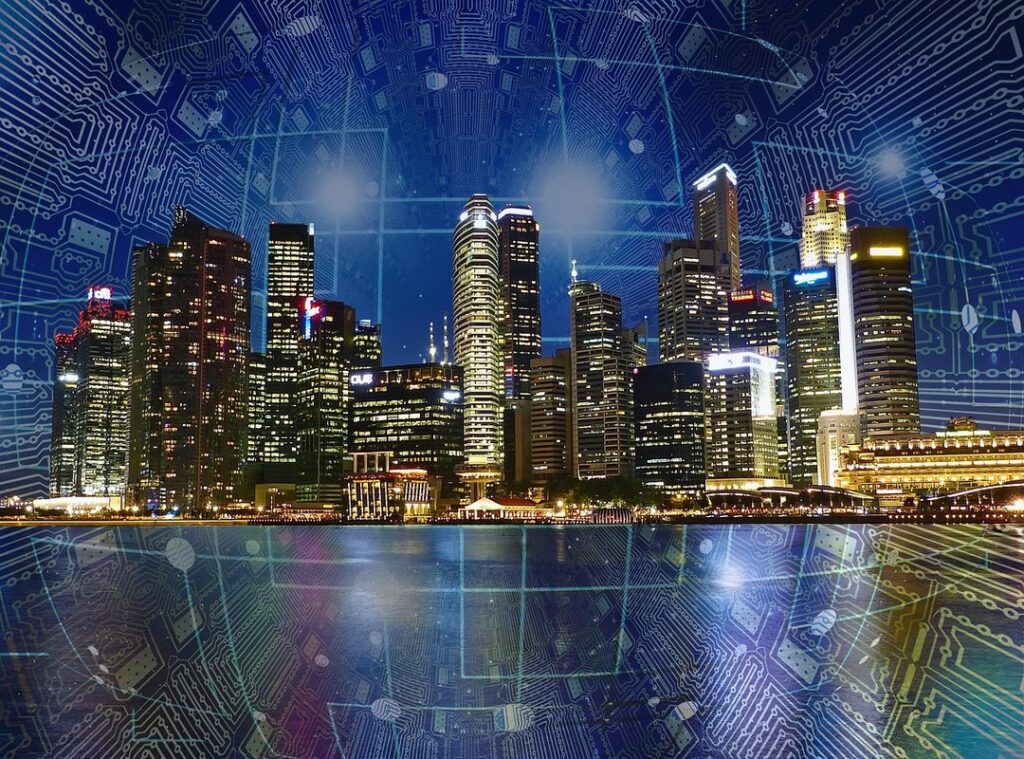
Smart cities are everywhere, and honestly, it’s overwhelming. You hear terms like “connected urban environments” and wonder what they even mean. I get it.
Many people struggle to grasp how these concepts work or what they mean for our daily lives.
This article will cut through the jargon and explain the tech in simple terms. I’ll pull from real-world examples to show you how technology reshapes our cities.
We’ll dive into what IoT smart cities really are, breaking down their core technologies. I’ll highlight the benefits they bring, but we won’t shy away from the challenges. What’s the future of urban life with this tech?
I’m here to give you clear answers, not just buzzwords. You’ll walk away understanding how these connected environments affect you and your community.
With my experience in observing urban technology, I’ll focus on the human side of these advancements. Let’s make sense of this together, and get to the heart of what smart cities are really about.
Cities Wired Up: What Are Connected Urban Environments?
Connected urban environments (it’s) a fancy term for cities where technology, data, and infrastructure team up to make everything run smoother. Imagine a city’s digital brain at work, keeping traffic flowing and pollution in check. Cool, right?
These environments form the backbone of what we often call smart cities. They’re not just about gadgets. It’s a whole network: devices, sensors, and systems all chatting away to gather information and make smart choices.
Picture smart traffic lights that adjust based on the current flow (no more sitting at a red light at an empty intersection). Or sensors monitoring air quality, so we can all breathe a little easier.
You might think, isn’t this just a smart city? Well, sort of. But connected urban environments are the foundation (the) nervous system (important) to any smart city.
Without this, there’s no smart anything. The goal? Better city services, boosted efficiency, and a more sustainable urban life for everyone.
Ever wanted free public Wi-Fi while you wait for the bus? That’s part of it too. When I think about it, IoT smart cities are like a sci-fi movie come to life.
But here’s a simple truth: they make our daily grind a whole lot better. Who doesn’t want that?
The Tech Behind Our Smart Cities
When I think of smart cities, I’m talking about places where tech makes life easier. It all starts with the Internet of Things (IoT). Imagine everyday objects like streetlights and trash bins fitted with sensors.
They collect data, like when a trash bin is full, and send alerts. It’s like magic (but it’s just tech).
Then there’s 5G and fiber optics. These networks are the data superhighways. Without them, our devices would be talking to each other at a snail’s pace.
Speed and reliability are not just nice to have (they’re) important.
Next up, data analytics and AI. These tools sift through mountains of data to find patterns and predict needs. Picture knowing a traffic jam is coming before it happens.
That’s the power of AI.
Cloud computing ties it all together. Think of it as a digital storage locker. It keeps everything accessible, no matter where you are.
These technologies don’t just work in isolation. They’re a team. Each part has its role in making cities smarter.
Speaking of smart, if you’re into tech, you’ll want to check out the evolution cryptocurrencies. It’s a game-changer too.
Everyday Benefits of Living in Connected Cities
Let’s talk about smart cities and how they impact our daily lives. Everyone’s buzzing about IoT smart cities, but what does that mean for us? In Memphis, with all this tech, imagine having real-time traffic data that cuts your commute in half.
No more guessing which route is clear. Apps can help find parking spots too, which is a godsend in crowded areas.
Public safety? It’s leveled up. Connected systems mean faster emergency response times.
We’re talking minutes, not hours. And if you ever wondered how they prevent crimes before they even happen, it’s all in the data analysis. This tech keeps parks and public spaces safer for everyone.
Ever think about how you use energy? Smart grids make it fast. They improve our energy use so we’re not just burning through resources.
And let’s not forget about sustainability. Who doesn’t want a city with clean air and water? Monitoring these elements keeps our environment healthy.
It’s not just about electricity. Water systems, for instance, can detect leaks early. No more surprise high bills.
Plus, managing green spaces becomes easier, which is key for urban living.
Urban services have never been more accessible. Digital platforms let us report issues or get info without endless phone calls. It’s all at our fingertips.
For more on this transformation, check out iot smart cities. we’re headed, and it’s exciting.
Urban Connectivity: Challenges and Realities
Let’s talk about the messy side of IoT smart cities. Yeah, they’re cool, but they’re not just shiny tech dreams. First off, data privacy.

Who wants their personal info floating around like confetti? It’s scary to think about how much data cities collect and what could happen if it lands in the wrong hands. Strong security measures should be a no-brainer, right?
But we keep hearing about breaches. How do we trust these systems?
Then there’s the digital divide. Have you noticed how tech seems to cater to the well-off? Cities need to make sure everyone benefits, not just those in high-rise apartments.
It feels like we’re building two separate worlds: one tech-savvy and one left behind.
And get this: the cost. Building smart infrastructure isn’t cheap. Cities need piles of cash and long-term plans to pull it off.
Honestly, it feels like a marathon where some cities are just struggling to tie their shoes.
Ethical concerns aren’t just buzzwords. Surveillance and biased algorithms are real fears. How do we make sure transparency?
People need to know what’s going on behind the curtain.
Finally, public acceptance. If citizens aren’t on board, it’s all pointless. Engaging with them isn’t optional.
It’s key. They should be part of the process, not just bystanders. Who’s making these decisions anyway?
It’s about creating a city that works for everyone, not just a select few. Let’s address these issues head-on.
The Future is Now: Connected Cities Uncovered
I’ve lived in cities that felt like they were stuck in the past. But IoT smart cities are changing everything. Picture a place where hyper-personalization means the bus arrives exactly when you need it.
Self-driving cars? Not just science fiction anymore. These things can dramatically reshape urban life.
Imagine drones buzzing around to deliver your lunch or inspect bridges. It’s happening.
Then there’s digital twins. They’re virtual city models used to test ideas before making costly mistakes. This is where innovation meets practicality.
Also, tech is giving citizens a real voice. People get to shape their own environment. It’s not just data; it’s empowerment.
Want more on how tech reshapes life? Check out Virtual Reality Beyond Gaming.
Embrace Your Urban Future
I hope you now understand the complexity behind IoT smart cities. It’s not just tech jargon; it’s a chance to see your city in a new light. You might have felt confused about smart city concepts before.
That’s normal. The more you know, the clearer these changes become.
I urge you to engage with connected technologies in your daily life. Look for local initiatives that showcase innovation. Explore new ideas on urban tech.
Your future in these smart cities starts with you. Dive into the conversation. Don’t just observe (get) involved.
The urban future is here. Let’s shape it together.