

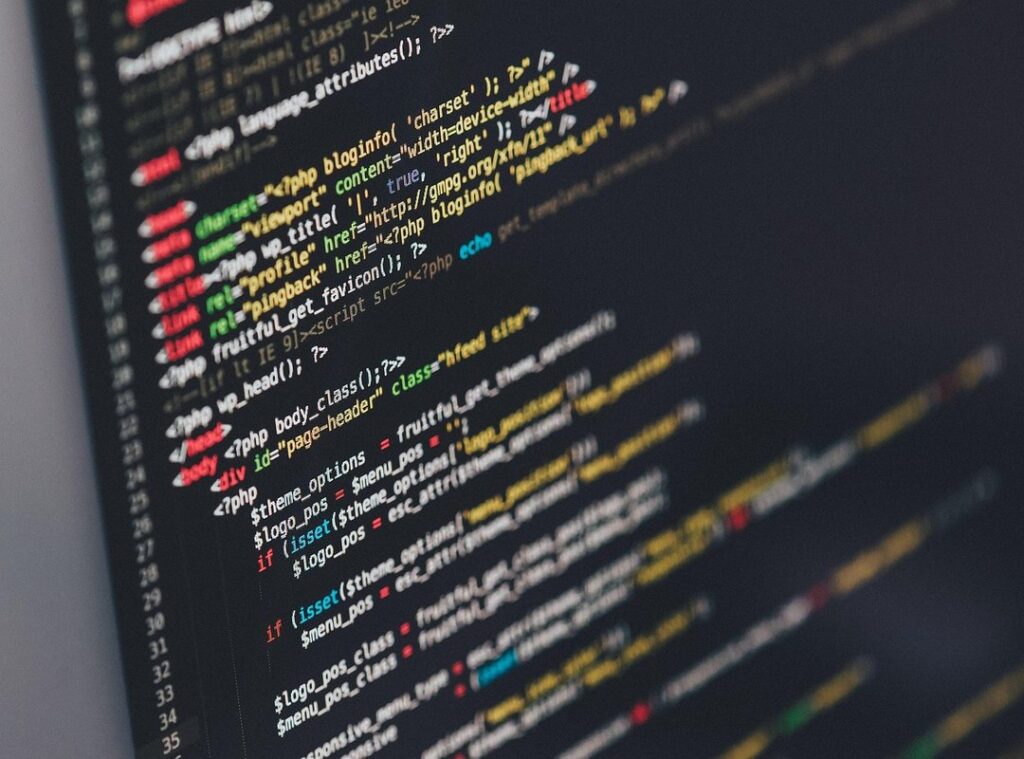
I write code the way I breathe (messy,) real, and sometimes wrong.
You’re here because tutorials lied to you. They said “just learn syntax” or “build a portfolio.”
But you’re stuck debugging the same thing at 2 a.m. again. Sound familiar?
I’ve been there. Spent years writing code that worked once, then broke in ways I couldn’t trace. Then I stopped copying patterns and started asking: *What actually saves time?
What stops me from hating my own code tomorrow?*
This isn’t theory.
It’s Otvpcomputers Coding Advice From Onthisveryspot (the) stuff I use daily, not what looks good in a slide.
You’ll learn how to spot rot before it spreads. How to name things so your future self doesn’t curse you. How to read error messages like they’re speaking English (they are).
No fluff. No buzzwords. Just fewer headaches and more working code.
You’ll walk away knowing exactly what to change (and) why it matters.
Set Up Your Tools Like You Mean It
I wasted three weeks debugging a typo because my editor didn’t highlight syntax errors. (Yes, really.)
You need a text editor or IDE that works with you. Not against you. VS Code is what I use.
It’s free. It’s fast. It doesn’t try to be everything at once.
Sublime Text is leaner. Atom is gone (RIP). Don’t overthink it.
Pick one and start typing.
Otvpcomputers gave me the same advice when I first started: Install a linter and formatter on day one. I ignored it. Then I spent hours fixing inconsistent spacing in Python files. Don’t be me.
Open your command line. Type ls. Then cd.
Then mkdir projects. Do it now (even) if you don’t know why yet.
Folders matter. Put each project in its own folder. Name them clearly: todo-app, not folder1.
You’ll thank yourself when you’re hunting for that CSS file at 2 a.m.
I keep a /notes folder inside every project. Just plain text. No apps.
No syncing. Just me and what I learned that day.
You don’t need ten plugins. Start with one: Prettier for formatting. ESLint if you’re in JavaScript.
Black if you’re in Python.
Otvpcomputers Coding Advice From Onthisveryspot taught me this: environment setup isn’t prep work. It’s part of coding.
Type code . and get in. That’s it.
Readable Code Is Self-Respect
I write code for people. Not machines. Especially me (six) months from now, hungover and confused.
Readable code saves time. It prevents bugs. It stops you from yelling at your past self.
Use clear names. user_age, not ua. calculate_total_price, not calc. If you hesitate to name it, the logic is probably messy.
I run Prettier. Every single time. Auto-formatting isn’t optional (it’s) hygiene.
(Like brushing your teeth before bed.)
Break big functions into small ones. One job per function. If it needs a comment to explain what it does, split it.
Good:
def apply_discount_if_eligible(price):

 if price > 100:

 return price * 0.9

 return price
Bad:
def f(x): return x * 0.9 if x > 100 else x
Comments should say why, not what.
# Apply 10% discount for bulk orders (per vendor policy)
Not:
# Multiply price by 0.9
You’ll thank yourself later. I promise.
Otvpcomputers Coding Advice From Onthisveryspot says: clarity beats clever every time.
Still copy-pasting old functions? Why?
What’s the last thing you read that made you go “oh, that’s what this does”?
Debugging Is Just Coding
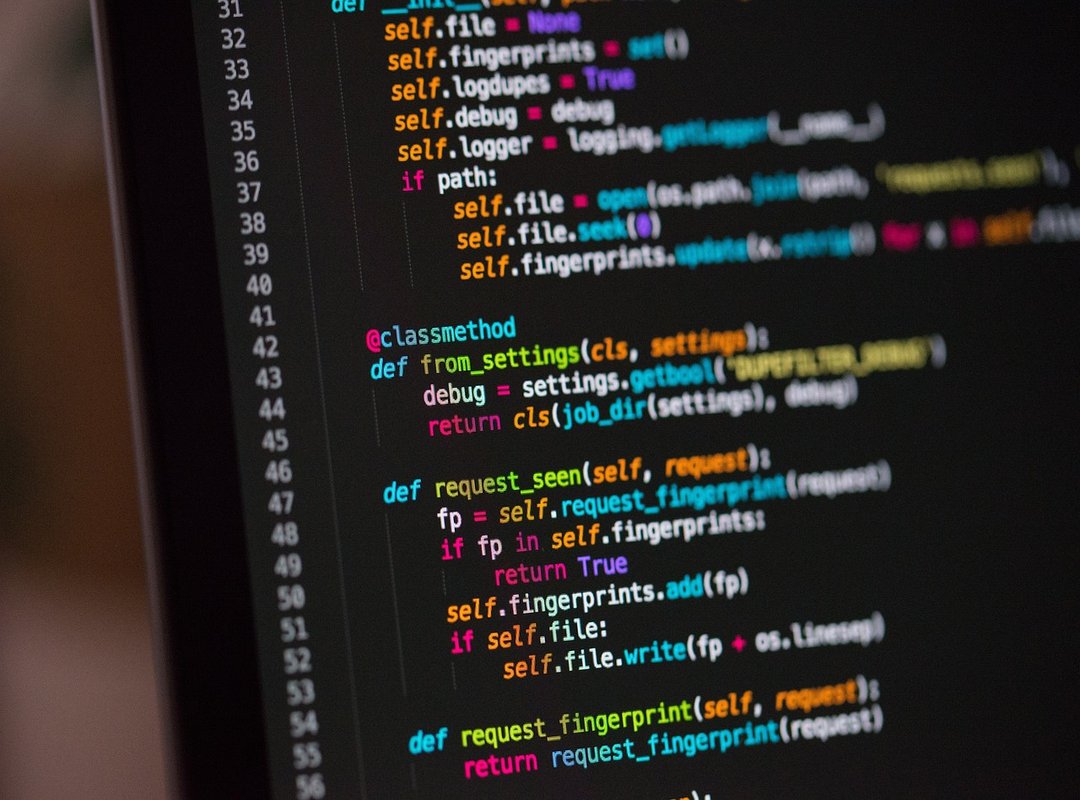
I debug every day. It’s not a failure. It’s the work.
Error messages look scary until you read them. They tell you exactly where things broke. I ignore them at my own peril.
Print statements are my first move. I slap print() everywhere. It’s dumb but it works.
A real debugger beats print statements. I step through code line by line. I watch variables change in real time.
Commenting out chunks helps me isolate junk. If the bug disappears, I know where it lives. Then I narrow it down like a detective.
Stuck? Walk away. Go make coffee.
Come back in 20 minutes (your) brain resets.
Rubber duck debugging sounds silly. I explain the problem out loud to anything. My cat.
My coffee mug. A pen. It forces clarity.
It’s specific. It’s real.
I’ve wasted hours chasing ghosts in errordomain otvpcomputers. That’s why I wrote How to troubleshoot errordomain otvpcomputers. It’s messy.
Otvpcomputers Coding Advice From Onthisveryspot isn’t theory. It’s what I do when the code won’t run. No magic.
Just patience and process.
Learning Never Stops
I write code every day. It still breaks. Often.
You think you know a language until the docs contradict your assumptions. Or your teammate asks why you’re using map instead of a for loop. I’ve been there.
Some people say continuous learning is optional. I call that nonsense. The tools change.
The best practices shift. Your old solution stops working. And you won’t notice until it’s in production.
The official docs. They’re boring. They’re accurate.
I use docs first. Not Stack Overflow. Not YouTube.
(And yes, I skip the intro paragraphs.)
I join one coding community (not) five. Too many Slack channels just mean too much noise. I pick one where people post real bugs and real fixes.
LeetCode? Sure. If you’re prepping for interviews.
But I’d rather build something small and broken than solve abstract puzzles. Like a to-do app that forgets items after refresh. That teaches more than any algorithm question.
Core CS concepts matter. Not because they’re fancy. But because they help you spot bad design before it ships.
I re-read How Computers Really Work every 18 months. It still surprises me.
I push messy code to GitHub. Then I ask for feedback. Every time, someone spots something I missed.
Want more practical advice like this?
Check out Otvpcomputers Coding Advice From Onthisveryspot
Your Code Is Waiting for You
I’ve been where you are. Staring at a blank editor. Wondering if you’re doing it right.
You’re not behind. You’re just getting started.
You now know what actually moves the needle: clarity, organization, and showing up (even) when you don’t feel ready. That’s it. No magic.
No secret system. Just real work on real problems.
You read this because something’s stuck. Maybe your code breaks too often. Maybe you waste hours debugging the same thing.
Maybe you feel like you’re learning (but) not leveling up. I get it. I’ve rewritten the same function five times trying to make it “clean.”
Otvpcomputers Coding Advice From Onthisveryspot isn’t theory. It’s what works when the clock is ticking and the deadline is real.
So here’s what you do next:
Pick one tip from this article. Just one. Apply it in your current project (today) or tomorrow.
Not next week. Not after you “finish this other thing.”
Don’t wait for motivation. Don’t wait for permission. Start small.
Fix one naming convention. Add one test. Refactor one messy function.
You’ll notice the difference faster than you think. Your code will run smoother. Your brain will feel lighter.
You’ll stop dreading the next commit.
This isn’t about being perfect.
It’s about building momentum (on) your terms.
Go open that file. Try it. Then come back and try one more.