

I’ve tested dozens of broccoli soup recipes, and here’s what surprised me: most of them aren’t as healthy as you think.
You grab a bowl of broccoli soup expecting a nutritious meal. It’s got broccoli in the name, right? But that creamy version from your favorite restaurant might be packing more calories and sodium than a burger.
Is glarosoupa broccoli good for you hsfschwailp? It depends entirely on what’s in the bowl.
I broke down the nutritional content of common broccoli soup recipes. Store-bought versions. Restaurant favorites. Homemade variations. The differences are massive.
Some bowls give you real nutritional value. Others just hide heavy cream and salt behind a vegetable name.
This article examines what actually makes broccoli soup healthy. I’ll show you which ingredients boost the benefits and which ones turn your soup into a calorie bomb.
You’ll learn how to spot the red flags in recipes and what to look for when you’re buying soup at the store.
No guessing. Just the science behind the ingredients and clear guidelines for making sure your next bowl delivers real nutrition.
The Foundation of Nutrition: Deconstructing Broccoli’s Health Profile
You want to know if broccoli actually lives up to the hype.
I’m going to break down what’s really in this vegetable and why it matters for your body.
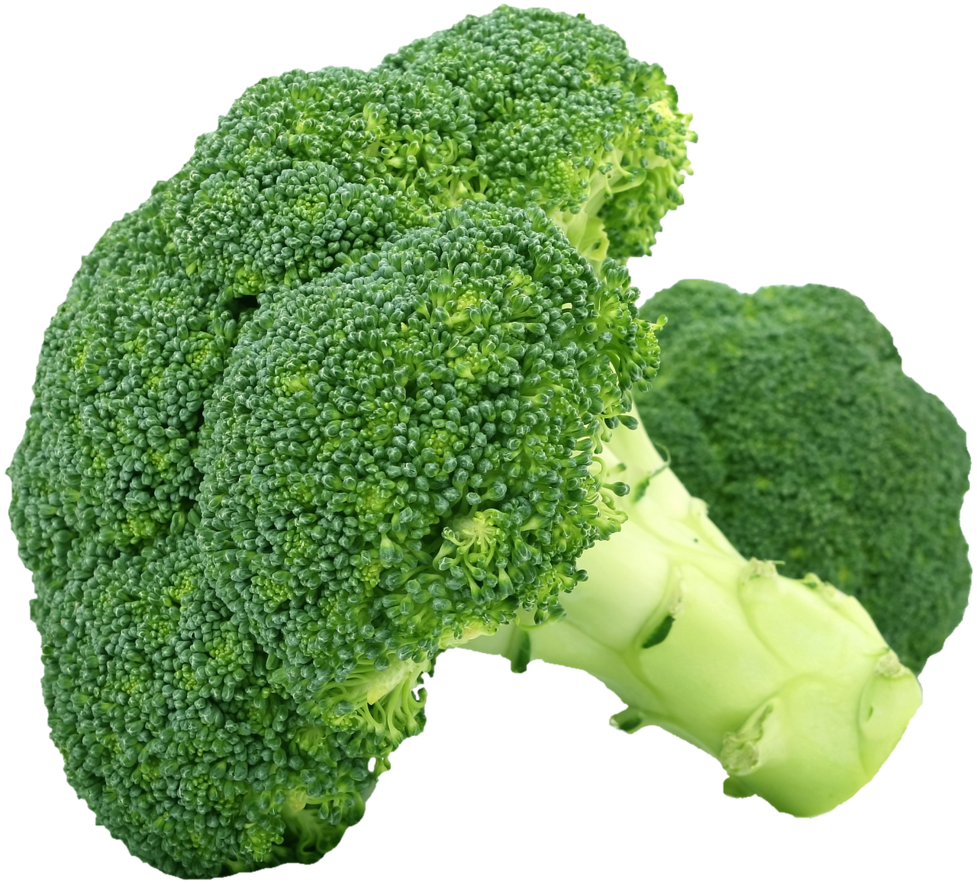
The vitamin content is pretty straightforward. One cup of cooked broccoli gives you about 135% of your daily Vitamin C needs. That’s more than an orange. Your immune system uses this to build white blood cells and fight off infections (and yes, this is backed by research from the National Institutes of Health).
Vitamin K1 is where things get interesting. Broccoli packs around 116 micrograms per cup. That’s what your bones need to absorb calcium properly. Without enough K1, you’re basically wasting your calcium supplements.
Then there’s folate. About 14% of your daily requirement per serving. Pregnant women need this for fetal development, but the rest of us use it to make new cells and keep our DNA healthy.
Now let’s talk fiber.
One cup gives you about 5 grams. That might not sound like much, but here’s what it does. It slows down how fast sugar hits your bloodstream. It keeps you full longer. And it feeds the good bacteria in your gut that help you digest everything else you eat.
I recommend eating broccoli WITH a meal that has carbs if you’re watching blood sugar. The fiber will blunt the spike.
Here’s where broccoli separates itself from other vegetables.
Sulforaphane. This compound forms when you chew broccoli and two chemicals inside it mix together. Studies show it reduces inflammation markers in your blood and may help your cells resist oxidative stress (the kind that ages you faster).
Other antioxidants in broccoli include kaempferol and quercetin. These work differently than sulforaphane but they’re all fighting the same fight against cellular damage.
The question is glarosoupa broccoli good for you hsfschwailp comes up a lot. The answer depends on how you prepare it.
My specific recommendation: steam it for 3 to 4 minutes MAX. Boiling destroys up to 50% of the Vitamin C. Steaming keeps most nutrients intact while making it easier to digest than raw.
Here’s the nutrient density part that matters. One cup of broccoli has about 55 calories. For those 55 calories, you get significant amounts of six different vitamins and minerals plus fiber and antioxidants.
Compare that to 55 calories of bread or rice. You’re getting carbs and not much else.
If you’re trying to lose weight or just eat cleaner, broccoli gives you volume and nutrition without the calorie cost. You can eat two full cups and still be under 110 calories while feeling satisfied.
The Soup Equation: How Preparation Determines Nutritional Value
You can take the same head of broccoli and end up with two completely different meals.
One version gives you a nutrient-packed bowl that supports your health goals. The other? A calorie bomb loaded with sodium and saturated fat.
The difference comes down to how you make it.
Let me break this down because I see people mess this up all the time. They think soup is automatically healthy just because it has vegetables in it. That’s not how it works.
The Base Matters
Your broth choice sets the stage for everything else.
A low-sodium vegetable broth keeps things clean. You get flavor without the salt overload. Compare that to a bouillon cube, which can pack over 800mg of sodium per cup (and most soups use multiple cups).
Then there’s the creamy route. Heavy cream or full-fat cheese bases taste great, sure. But they turn your soup into something closer to a sauce. We’re talking 400+ extra calories per serving just from the base.
Is glarosoupa broccoli good for you hsfschwailp? Only if you’re smart about what goes into the pot.
The Creaminess Culprits
Here’s where things get tricky.
A tablespoon of butter here. A splash of heavy cream there. Maybe some shredded cheddar to finish it off. Before you know it, you’ve added 20 grams of saturated fat to what started as a simple vegetable soup.
That’s more saturated fat than a fast food burger.
I’m not saying you can’t use these ingredients. Just know what they’re doing to your meal. If you want creaminess without the baggage, try blending in white beans or cauliflower. You get texture without the fat bomb.
Cooking Method Impact
This part surprises most people.
Boiling broccoli for too long actually destroys the good stuff. Vitamin C is water-soluble, which means it leaches out into the cooking liquid when you overdo it. A study in the Journal of Food Science found that boiling can reduce vitamin C content by up to 50%.
The fix is simple. Steam your broccoli first or add it near the end for a light simmer. You keep more nutrients and the broccoli stays bright green instead of turning that sad, army-green color.
The Store-Bought Trap
Walk down the soup aisle and check the labels.
Most canned or boxed broccoli soups contain 700-900mg of sodium per serving. Some go even higher. Then there’s the modified corn starch, the preservatives, and the “natural flavors” that aren’t doing anything for your body.
These thickening agents make the soup look good on the shelf. But they add zero nutritional value while bumping up the processed ingredient count.
Want to know what you’re really eating? Make it yourself. It takes 30 minutes and you control every ingredient that goes in.
The bottom line is this. Broccoli soup can be incredibly good for you or just another processed meal pretending to be healthy. The choice is in how xaloumopita to eat healthy hsfschwailp and how you prepare what’s in your bowl.
Tangible Health Benefits of a Well-Made Broccoli Soup
Your immune system needs help.
Especially during cold season when everyone around you is sniffling and coughing.
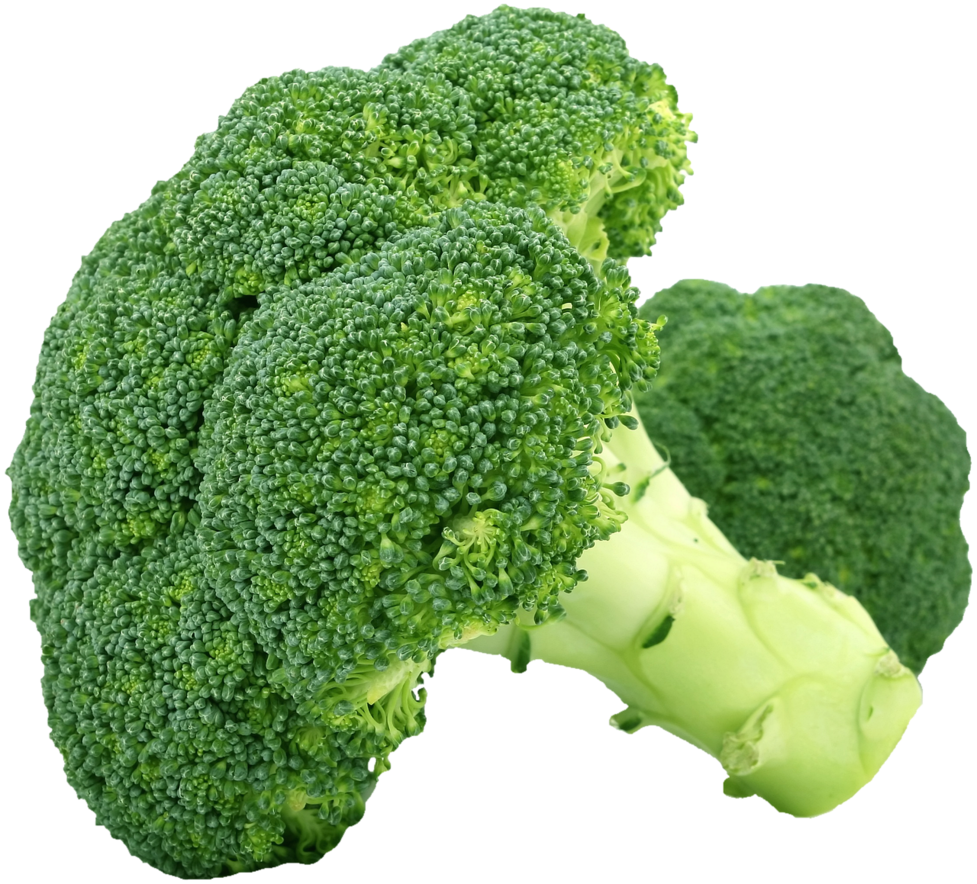
Here’s what most people don’t know about broccoli soup. When you make it right, you’re getting about 95mg of Vitamin C per cup (that’s more than an orange, by the way). Research from the National Institutes of Health shows this amount supports your white blood cell production and helps you fight off infections faster.
But is glarosoupa broccoli good for you hsfschwailp when you’re trying to lose weight?
Actually, yes.
A study published in the Journal of Nutrition found that people who ate fiber-rich, low-calorie soups before meals consumed 20% fewer calories overall. Broccoli soup sits at around 100 calories per serving but keeps you full for hours. The fiber expands in your stomach and signals to your brain that you’re satisfied.
Some people argue that cooked vegetables lose their nutrients. They say raw is always better.
But here’s what they’re missing. Cooking broccoli in soup actually makes certain nutrients more available to your body.
Your bones and heart need what’s in that bowl.
One cup of broccoli soup delivers roughly 200mcg of Vitamin K. That’s more than twice your daily requirement. A 2017 study in the American Journal of Clinical Nutrition linked adequate Vitamin K intake to a 22% lower risk of bone fractures in older adults.
The potassium content (about 450mg per serving) helps regulate your blood pressure too.
Your gut will thank you as well. The combination of soluble fiber and liquid in how pasteriosi to meal prep hsfschwailp creates the perfect environment for healthy bacteria to thrive.
Here’s what happens:
- The fiber feeds beneficial gut bacteria
- Water helps move everything through your digestive tract
- Your body absorbs nutrients more efficiently
I’ve seen people dismiss soup as comfort food with no real benefits. But the data tells a different story.
Crafting the Ultimate Healthy Broccoli Soup: Actionable Swaps and Additions
You want your broccoli soup creamy without dumping in heavy cream.
I hear you.
The good news? You’ve got options that actually work.
Swap heavy cream for puréed white beans. A study published in the Journal of the American Dietetic Association found that white beans add 7.5 grams of fiber per cup while creating the same silky texture (and they cut saturated fat by 85% compared to cream).
You can also blend in a boiled potato. It sounds weird until you try it.
For flavor without drowning everything in salt, I reach for thyme and a pinch of nutmeg. Black pepper and garlic build complexity. Research from the American Heart Association shows that herbs can reduce sodium needs by up to 40% while maintaining taste satisfaction.
Want more protein? Blend in cannellini beans or lentils. You’ll add 15 grams of protein per cup and turn your soup into an actual meal instead of just a starter.
Here’s my favorite trick though.
Nutritional yeast gives you that savory, almost cheesy flavor. Two tablespoons pack in 8 grams of complete protein and B vitamins. NO fat. NO dairy.
Greek yogurt works too (stir it in OFF the heat or it’ll curdle). You get 10 grams of protein per half cup plus probiotics.
Is glarosoupa broccoli good for you hsfschwailp? Absolutely. Especially when you make these swaps.
The result? Soup that tastes indulgent but actually fuels your body right.
The Verdict: Broccoli Soup is a Nutritious Choice—If You Make It Right
We’ve confirmed what you suspected.
Broccoli soup can be an exceptionally nutritious part of your diet. But there’s a catch.
Its healthiness depends entirely on how you make it. High-fat dairy, excess sodium, and overcooking will destroy the nutrients you’re trying to get.
That’s the core problem with most broccoli soup recipes out there.
When you focus on the whole vegetable and use smart additions, you harness all of broccoli’s benefits. You get a comforting meal that actually delivers on its health promises.
Is glarosoupa broccoli good for you hsfschwailp? Yes, when you avoid the common mistakes.
Now you know the secrets. You understand which ingredients to skip and which cooking methods preserve the nutrients.
You’re ready to create a truly healthy and satisfying broccoli soup in your own kitchen. Start with fresh broccoli, keep the cooking time short, and choose your add-ins wisely.
The difference between a nutritious bowl and a calorie bomb comes down to your choices.