

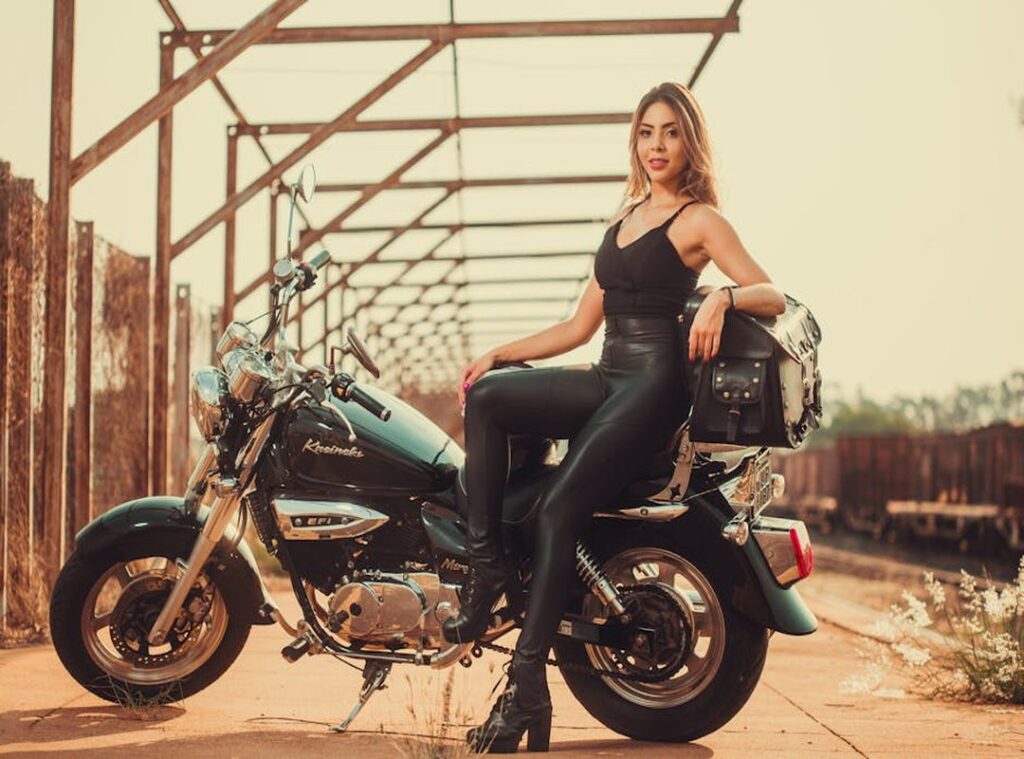
I’ve bought bad motorcycle pants.
More than once.
You know the ones. They look cool in the store, but halfway through your first ride, they chafe, slide down, or just plain fail when you need them most.
That’s why I wrote this.
Not another vague list of features. Not a sales pitch dressed up as advice. Just real talk about How to Choose Motorcycle Pants Fmbmotoapparel.
The kind that actually stays put, protects you, and doesn’t feel like wearing sandpaper.
You’re tired of guessing. Tired of paying $300 for pants that rip at the knee after two months. Tired of choosing between safety and comfort like it’s some kind of trade-off.
It’s not.
Good pants do both.
And you deserve to know how to spot them (fast,) no fluff, no jargon.
This guide cuts straight to what matters: fit, armor, material, and real-world wear. No theory. Just what works.
What doesn’t. And why most riders pick wrong (and how you won’t).
By the end, you’ll know exactly what to check before you click “buy.”
You’ll ride safer. You’ll ride longer. You’ll stop second-guessing your gear.
Pants Don’t Lie
I’ve seen what jeans do in a crash. They shred. Like tissue paper.
That’s why I wear motorcycle pants. Not for style. For survival.
Regular pants offer almost no protection. Zero abrasion resistance. Zero impact padding.
You hit pavement at 30 mph? Jeans tear. Skin tears.
Bone breaks.
Motorcycle pants stop that. They’re built with tough fabrics like Cordura or Kevlar. They hold up.
They slide. They absorb hits.
They prevent road rash. Deep, infected scrapes that take months to heal. They protect hips, knees, tailbone.
They keep bones whole.
This isn’t fashion. It’s physics. And friction.
And common sense.
You think your $200 jeans are saving you money? Try paying for skin grafts. Or physical therapy.
Or missing work for six weeks.
Good pants cost more upfront. But they pay back in ways you can’t bill.
How to Choose Motorcycle Pants Fmbmotoapparel starts here: Fmbmotoapparel
I live in Portland. Rain, gravel, potholes. I need gear that works here.
Not just on a showroom floor.
You ride where you ride. Your pants should know that.
What’s your first priority (comfort,) protection, or looking cool? (Be honest.)
Leather, Textile, Denim (Pick) One That Won’t Betray You
Leather pants stop gravel better than anything else. I’ve slid on asphalt twice (and) walked away because the leather held.
They look sharp. Timeless. Like they belong on a bike, not a couch.
(Though they’ll stiffen up if you wear them to brunch.)
But leather breathes like a brick wall. Hot days turn into sweat traps. And yeah.
They cost more. A lot more.
Textile pants? Cordura or Kevlar blends. They’re lighter.
Dry faster. Many are waterproof. Or at least water-resistant (right) out of the box.
Airflow is real. You feel it. Not like leather, but enough to ride 90 minutes without peeling your shirt off your back.
Abrasion resistance? Strong. Not leather-strong, but strong enough for most street crashes.
And they cost less. Way less.
Then there’s armored denim. Jeans that look normal until you crash.
Kevlar-stitched knees. Dyneema panels in the seat and thighs. Armor pockets sewn in where you need them (not) where the designer guessed.
Great for city riding. You park, walk into a cafe, no one blinks. Protection isn’t perfect.
But it’s real.
So how do you pick? Ask yourself: Do I ride in rain or desert heat? Do I stop at lights or twisties all day?
You don’t need every feature. You need the one that matches your ride.
How to Choose Motorcycle Pants Fmbmotoapparel starts with honesty about where and how you ride.
No magic. No hype. Just material that works.
Or doesn’t. When it matters.
Armor Isn’t Optional. It’s Physics.
I crashed on a wet curve in ’22. My knee hit first. The CE Level 2 armor in my pants stopped the pavement from chewing through to bone.
Level 1 would’ve cracked. Level 2 didn’t.
CE rating isn’t marketing fluff. Level 1 absorbs 20 kN of force. Level 2 handles 34 kN.
Big difference when you’re sliding at 35 mph.
Armor has to stay put. I tried pants where the knee pads slid down mid-ride. Useless.
Snug pockets with Velcro or elastic keep them locked over the joint.
Hips? Same deal. If your pants don’t have CE armor there.
Or at least thick, layered reinforcement like double-stitched Kevlar panels. You’re betting on luck.
Some brands hide extra material in high-wear zones. Not full armor. Just denser fabric.
It works. I’ve seen it stop abrasion before it bites deep.
Adjustable pockets matter. My thighs are thick. Without stretch gussets and slide-in slots, armor rides up or shifts sideways.
You feel it before the crash. Fix it then.
Pants without proper armor? They’re just denim with attitude. You wouldn’t ride without a helmet.
(Which, by the way, is why you should know What Are Moto Helmets Made of Fmbmotoapparel.)
How to Choose Motorcycle Pants Fmbmotoapparel starts here: armor placement, CE level, and fit (non-negotiables.)
Fit Is Not a Guess
I tried on motorcycle pants that fit fine standing up.
Then I sat on my bike and couldn’t bend my knee.
Snug is good.
Restrictive is dangerous.
You need full range of motion (reaching) the shifter, leaning into turns, shifting your weight.
If you can’t move, you’re not safe.
On your actual seat.
Check the fit on the bike. Not in front of a mirror. Not in the dressing room.
Waist adjustability matters. My waist changes after lunch. Yours probably does too.
(And yes, that’s normal.)
Leg length? Huge deal. Too short and your boots gap.
Too long and fabric bunches (or) worse, gets sucked into the chain.
Stretch panels help.
They let your knees and hips move without fighting the pants.
Try them on with your riding boots. Every time. No exceptions.
Boots change everything. The way the cuff sits, how much fabric stacks, whether your ankle stays covered.
How to Choose Motorcycle Pants Fmbmotoapparel isn’t about fashion.
It’s about not getting hurt because your pants rode up mid-turn.
I’ve seen it happen.
You don’t want to be that person.
Tall riders, short riders, wide hips, narrow waists. We’re all different.
Pants should adapt to you, not the other way around.
Still think your old jeans are fine?
Ask yourself: would you wear them on a wet highway at 50 mph?
Pants That Don’t Quit
I ride in rain. I ride in 95-degree heat. If your pants soak through or cook you alive, they’re not doing their job.
Waterproofing isn’t optional for touring or daily commuting. One soaked ride tells you that.
Ventilation? Zippers and mesh panels matter. I open mine at stoplights when the asphalt is steaming.
You will too.
Reflective elements keep you seen after dark. Pockets hold keys, phone, gloves. No fumbling.
Jacket-to-pants zippers stop wind from blasting up your back.
Ask yourself: What’s your weather like? Rainy Tuesdays? Dusty weekends?
Sweltering commutes?
That’s how you choose. Not by specs alone, but by what you actually face.
Need real gear built for this? Check out How to Choose Motorcycle Pants Fmbmotoapparel (start) with Fmbmotoapparel Motorcycle Gear by Formotorbikes.
Pants That Won’t Let You Down
I’ve been there. Scraped knees, stiff hips, pants that split on the first hard stop. You want real protection.
Not marketing fluff. Not “good enough.”
How to Choose Motorcycle Pants Fmbmotoapparel tells you what actually matters. Material that stops abrasion. Armor that absorbs impact.
Fit that moves with you (not) against you.
Your skin isn’t replaceable.
So stop guessing.
Go pick your pair now.