

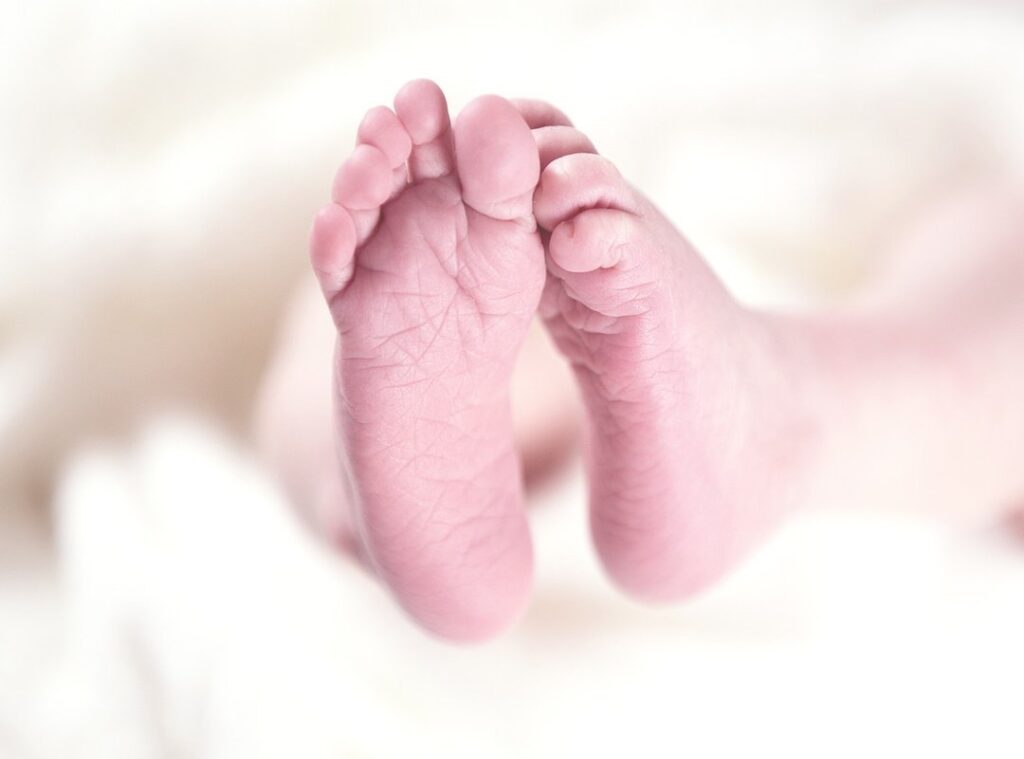
Looking for something specific like fotolia little girl feet can be a real challenge. You might think it’s a simple search, but it opens up a lot of questions. Where do these images come from?
Are they ethical? How have platforms like Fotolia evolved over time?
This article aims to give you a clear guide. We’ll cover the history of stock photo platforms, the critical ethical guidelines for photographing minors, and how to source such specific images responsibly today.
By the end, you’ll have a comprehensive understanding of both the practical and ethical considerations. This will help you navigate this niche with confidence.
We’ll also touch on the shift from older platforms to modern ones like Adobe Stock. This sets the stage for what’s coming next.
What Happened to Fotolia and Its Vast Image Library?
Fotolia was a major microstock photography agency founded in 2004. It was known for its extensive and diverse library, including niche categories like fotolia little girl feet.
In 2014, Adobe acquired Fotolia for $800 million. This was a significant event in the stock photo industry.
Adobe integrated Fotolia’s library into their Adobe Stock service. So, most of the high-quality images, including those niche categories, still exist but under the Adobe brand now.
If you’re searching for ‘Fotolia’ images, you’re actually looking within Adobe Stock’s collection. This consolidation had a big impact on both photographers and buyers.
For photographers, there were changes in royalty structures. For buyers, the integration with Adobe Creative Cloud apps made it more convenient to use these images directly in their projects.
While the name Fotolia is gone, its legacy and content helped build the foundation of what Adobe Stock is today.
| Aspect | Before Acquisition | After Acquisition |
|---|---|---|
| Brand Name | Fotolia | Adobe Stock |
| Image Library | Extensive and diverse | Integrated into Adobe Stock |
| Royalty Structure | Original Fotolia structure | Updated to Adobe Stock standards |
| Integration | Stand-alone platform | Seamless with Adobe Creative Cloud |
This means you can still find and use the same high-quality images, just under a different name. The benefits? You get the convenience of using these images directly in your Adobe projects, and the assurance that the images are part of a trusted, well-maintained library.
Ethical and Legal Essentials for Photographing Minors
Photographing children for commercial purposes can be a minefield. You need the highest ethical standards and strict legal compliance. It’s frustrating, but it’s necessary.
A signed model release from a parent or legal guardian is non-negotiable for every single image intended for commercial use. A model release is a legal document that gives you permission to use the child’s image. It covers how, where, and for how long the images can be used.
Without it, you’re in murky waters.
Creating a safe and comfortable photoshoot environment is crucial. The child’s well-being should always be your top priority. Have a guardian present and maintain professionalism.
This isn’t just a nice-to-have; it’s a must.
Commercial vs. Editorial Use
Understanding the difference between ‘commercial’ and ‘editorial’ use is key. For identifiable children, this distinction matters a lot. Commercial use means the image is used to sell something, like an ad.
Editorial use is for news, blogs, or educational content. Get it wrong, and you could face serious legal issues.
Platform-specific rules, like those on Adobe Stock and Getty Images, are often stricter than general legal requirements. They have their own guidelines for content involving minors. It’s another layer of complexity, but it’s there to protect everyone.
Avoid creating imagery that could be misinterpreted or used inappropriately. Context and professional execution matter. For example, a photo of fotolia little girl feet for a shoe advertisement needs to be handled with care.
Same goes for pediatric medical content or family-oriented blogs.
It’s a lot to keep track of, but it’s worth it to ensure you’re doing right by the kids and staying on the right side of the law. Hsfschwailp
Technical Tips for High-Quality, Commercially Viable Photos
Taking photos that sell is like cooking a great meal. You need the right ingredients and a solid recipe. Let’s dive into some actionable tips.
Focus on lighting, and soft, natural light is your best friend. It’s like the perfect seasoning—subtle but transformative.
Harsh shadows can ruin a shot, just like too much salt can ruin a dish.
Think of the rule of thirds as a grid on your viewfinder. Place your subject at the intersections to create balance. It’s like arranging furniture in a room; you want it to look inviting and not cluttered.
Clean, uncluttered backgrounds are key. Imagine a stage with a single spotlight on the main actor. The focus should be on the subject, whether it’s a product or a concept.
For example, if you’re shooting fotolia little girl feet, make sure the background doesn’t distract from those tiny, adorable toes.
High resolution and sharp focus are non-negotiable, and think of it like a high-definition TV. No one wants to watch a blurry, pixelated show.
Make sure the key subject is crystal clear, with no visible noise or digital artifacts.
Scenarios with commercial appeal? A baby’s first steps, a child trying on new shoes, or a clinical context for podiatry websites. These are like the blockbuster movies of the photo world—everyone wants to see them.
Always approach these scenarios ethically, though. It’s like following the rules of the road; it keeps everyone safe and happy.
Accurate keywording is crucial when uploading to stock sites. It’s like labeling your Tupperware so you can find what you need. Use relevant keywords to ensure your images are found by the right buyers for the right uses.
By following these tips, you’ll be well on your way to creating photos that stand out and sell.
How to Responsibly Find and License Niche Images Today

Finding the right images can be a hassle, especially with Fotolia now part of Adobe Stock. So, where do you go?
Adobe Stock is your primary destination for former Fotolia content. It’s got a massive library, and you can find just about anything there.
But don’t limit yourself. Other major stock agencies like Getty Images, Shutterstock, and iStock offer high-quality, ethically-sourced content too. They’re reliable and have a wide range of options.
Always check the license type. Whether it’s standard or enhanced, make sure it covers your intended use. This is crucial to avoid any legal headaches down the line.
Using images from legitimate sources is key. It helps you avoid legal issues and supports ethical photography practices. Plus, it ensures the photographers get paid for their work.
Take “fotolia little girl feet” for example. You can find similar images on these platforms, but always double-check the licensing. It’s a small step that makes a big difference.
Remember, the goal is to find great images and use them responsibly.
Prioritizing Safety and Quality in Stock Imagery
Fotolia’s content now lives within Adobe Stock, and the ethical responsibilities for this type of photography are paramount. Whether creating or using images of minors, safety, consent, and professionalism are non-negotiable. High-quality, commercially successful images in this niche are always created within a framework of respect and legal compliance.
Always prioritize the well-being and dignity of the subject above all else, ensuring the digital content ecosystem remains a safe and responsible space.