

Storing genetic information isn’t just complex; it’s key. As organizations and researchers grapple with vast amounts of data, the challenge grows. Do you ever wonder how we can keep all this information safe and accessible?
The rise of DNA data storage presents a promising solution. It’s not just about keeping data; it’s about securing our future. The latest technologies in this field are game-changers, and I’ve seen how they can make a real difference.
This article dives into the best storage solutions available today. I’ll break down what makes these technologies stand out and why you should care.
You’ll walk away with a clear understanding of how to get through this detailed space. I want you to feel confident in making informed decisions about genetic data management. Let’s get into it and explore the possibilities together.
Genetic Code: Storing Life’s Blueprint
Let’s talk about DNA data storage. It’s the future of keeping genetic information safe. Why?
Because DNA is the ultimate storage device. It’s compact, stable, and can last for thousands of years. This is key now with our data-driven world exploding with information.
We need reliable ways to store this biological data.
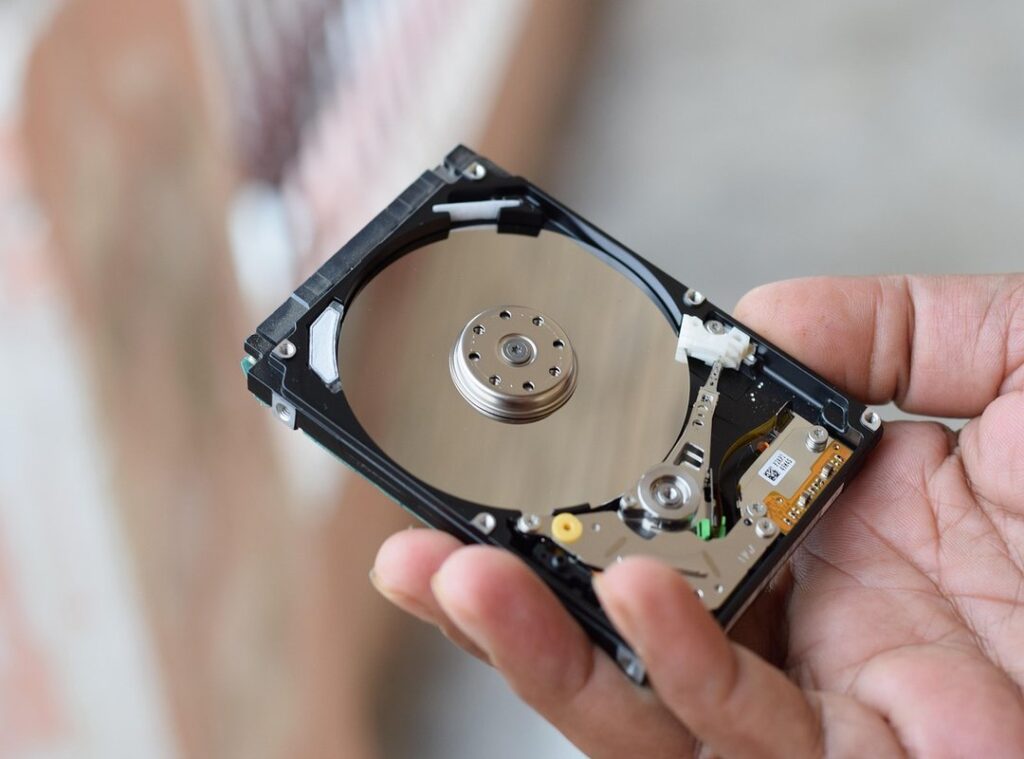
But what exactly is genetic information storage? At its core, it’s about preserving the important details that make up living organisms. Think of it like a biological hard drive.
We store genetic data to understand diseases, develop treatments, and even create new organisms. It’s a game-changer in healthcare and research. You’re probably wondering about the types of genetic data stored.
Well, we’re talking about DNA sequences, RNA data, and protein structures. Each plays a unique role in medical research and biotech innovations.
Yet, storing this data isn’t without challenges. First, there’s the sheer volume. We’re talking petabytes of data.
That’s a lot of zeros. Then there’s privacy. Who gets access to your genetic blueprint?
It’s a legitimate concern. We need strong security measures. And let’s not forget reliability.
The storage solutions must withstand time and not degrade.
Pro tip: Keep an eye on advancements in this field. Things are changing fast. New technologies are on the horizon.
They promise to make DNA data storage more fast and secure. In the end, understanding these elements is key. It helps us get through the future of genetic research.
Are you ready to dive deeper into this fascinating world?
DNA Data Storage: Unlocking the Future of Information
Storing DNA data can feel like stuffing a tornado into a shoebox. It’s a wild ride, and you need the right tools. First off, scalability matters.
As genetic data grows (and it will), your system should expand without breaking a sweat. It’s like upgrading your phone without the frustrating data transfer. Cloud-based solutions often shine here, adapting to growing demands effortlessly.
Encrypting information is important. Think of it as a digital vault, keeping your DNA secrets safe from prying eyes. Companies like AWS and Google Cloud offer strong security measures.
But let’s talk about security. You wouldn’t leave your front door wide open, right? Same goes for data.
They guard your data like a hawk.
Accessibility is another big deal. What’s the point of storing data if you can’t access it when needed? Systems should allow quick, reliable retrieval.
Databases such as MongoDB have built a reputation on this. They make sure your data is just a click away.
Don’t forget compliance with data protection regs like GDPR and HIPAA. It’s not just about ticking boxes; it’s about respecting privacy. Non-compliance can cost dearly, financially and reputationally.
Imagine living in a world where robots manage your data. Sounds futuristic, right? Well, living with robots future might be closer than you think.
These technologies promise to seamlessly integrate with our lives.
So, is DNA data storage the future? Absolutely. With advancements in scalability, security, and accessibility, it’s paving the way.
We’re not just storing data; we’re opening doors to untapped possibilities.
Cracking the Code: Top Genetic Information Storage Tech
When you think of storing genetic data, you might imagine endless rows of dusty file cabinets. But we’re in the age of dna data storage, and it’s a game-changer. This tech uses DNA molecules to store massive amounts of data in tiny spaces.
That’s right, the building blocks of life are now the building blocks of data storage.
Cloud-based solutions are another major player. They’re fast, accessible, and, let’s be honest, really convenient. But there’s a catch: security.
With sensitive information like genetic data, the risk of breaches is a concern. Companies like Google and Amazon Web Services are constantly updating their security protocols, but nothing is foolproof.
Specialized databases also offer solutions. These systems are designed specifically for genomic data. They handle large volumes and complex queries efficiently.
But they can be expensive and require specialized knowledge to manage. Not everyone has a bioinformatics team on standby, right?
Take a look at how GenBank operates. They store billions of sequences and make them available to researchers worldwide. It’s a classic example of specialized databases at work.
So what’s the best approach? It depends on your needs. If you prioritize accessibility, cloud might be your go-to.
But let’s not forget about the cost of maintaining such a vast resource. It’s not cheap.
If you’re all about security and specific genomic capabilities, specialized databases are your friend. The future of genetic data storage is bright and full of potential. Just remember, every option has its trade-offs.
Choosing the Perfect Fit: DNA Data Storage
Selecting a DNA data storage solution feels overwhelming, doesn’t it? Step one: think about data volume. How much data are we talking?

If you’re dealing with terabytes, you need a solution that’s strong enough to handle that. Budget is another biggie. You want something affordable, but also reliable.
Cheap doesn’t always mean good (learned that the hard way).
Next, technical support. Can you call someone when it breaks? You’ll want a vendor that offers solid support, maybe even 24/7.
Finally, consider future scalability. You don’t want to outgrow your storage in a year.
Now, let’s talk vendors. Ask about integration with existing systems. Will it fit seamlessly?
Engage with them (ask) questions. It’s like dating; compatibility is key. Speaking of futuristic ideas, if you’re curious about where tech is heading, check out our piece on the Quantum Computing Tech Frontier.
Pro tip: Always read the fine print in service agreements. They often hide key details. And if you’re wondering about innovation, staying connected with the latest trends is key.
Trust me, this will save you headaches. So, are you ready to make an informed choice?
The Future of DNA Data Storage
DNA data storage is on the brink of a revolution. Picture this: genetic data stored in sequences as compact as your pinky nail but holding volumes that current data centers can’t match. Now, imagine AI-driven analytics sharpening this tech into something more precise, more reliable.
Are we ready for this leap?
Blockchain security steps in as the digital bouncer, ensuring that these genetic treasures stay safe. It’s not just about storage; it’s about safeguarding our future. So, what’s holding us back?
Cost, complexity, and skepticism (always a party-pooper in tech).
But with innovation at the helm, we could see these barriers crumble. I speculate that in a decade, DNA data storage won’t just be a concept. It’ll be the norm.
Think I’m reaching? Look at early internet critics. We know how that turned out.
The future holds remarkable promise, and it’s closer than we think.
Take Control of Your DNA Data Storage
Choosing the right storage solution is key for effective genetic data management. I’ve laid out the features and technologies available so you can make an informed choice.
Now, how does your current system stack up? Are you ready to explore new technologies?
Don’t let outdated methods hold you back. Act now and assess your data management strategies.
The right solution can simplify your life and help your research.
Reach out today to explore your options.
You deserve a system that works for you.
Let’s make your DNA data storage fast and reliable.