
Can machines truly create art, specifically poetry? It’s a question that sparks curiosity and debate. This article aims to demystify automated poetry generation, diving into its history, mechanisms, and current capabilities.
I have a solid grasp of modern AI and natural language processing. I’ve followed digital developments closely. This background gives me a unique perspective on how technology intersects with art.
You might wonder if AI-generated verse counts as “real” poetry. What does it mean for human creativity? I’ll tackle those questions head-on.
We’ll explore the fascinating implications of robots poetry creation and how it challenges traditional notions of authorship and inspiration.
By the end, you’ll understand how AI is reshaping the space of poetry. You’ll gain takeaways into what this means for artists and readers alike. Get ready for an analytical yet warm exploration of this captivating topic.
Automated Poetry: Art in the Age of AI
Automated poetry generation is where robots poetry creation takes center stage. It’s not just about throwing words together. This involves AI using complex algorithms to understand linguistic patterns, rhythm, and even rhyme schemes.
Imagine a machine diving into vast datasets of poetry, learning, and then spitting out something new. It’s both fascinating and a bit unsettling, right?
Now, don’t confuse this with simple word mixing. We’re talking about genuine attempts at poetic expression that could rival human creativity. Or at least, that’s the goal.
Is the aim to mimic human poets? Or does it open doors to forms of expression unique to machines?
Natural Language Processing (NLP) plays a foundational role here. Without NLP, these AI systems wouldn’t grasp the details of language (which, let’s face it, even humans struggle with sometimes). Yet, while AI can learn patterns, can it truly feel the emotion behind a sonnet?
That’s the real question.
In the grand scheme, could tech role solving world hunger be as impactful as AI in poetry? Maybe, but it’s a conversation worth having. After all, both are reshaping our understanding of technology’s role in creative and practical domains.
The Mechanics Behind the Muse: AI in Poetry
Ever wonder how robots can write poetry? Early attempts were pretty basic. Rule-based systems used templates and dictionaries to spit out poems.
It was like Mad Libs for machines. These programs followed strict rules. They had no flair.
Then came statistical models. Enter Markov chains and n-grams. These were a game-changer.
They predict the next word by looking at previous words. It’s like teaching a parrot to mimic sentences. It sounds better, but still not quite human.
Things really took off with neural networks. Recurrent Neural Networks (RNNs) and Long Short-Term Memory (LSTMs) can learn complex patterns. But the real breakthrough?
Transformer models. These guys (like the ones in GPT) are trained on massive amounts of text. They grasp details of language, tone, and structure.
It’s like giving a robot a library card.
But how do we control the chaos? prompts and parameters come in. Humans guide the AI with specific inputs. Want a poem about love in the style of Shakespeare?
Just say the word. The AI adjusts, creating something unique yet familiar.
You might wonder, can they really capture the soul of poetry? According to the study of intelligent poetry writing robots, they’re getting pretty close. But there’s still something magical about human touch, isn’t there?
In the end, robots poetry creation is a fascinating blend of science and art. As we continue to explore this tech frontier, one thing’s for sure: the lines between human and machine creativity are blurring. And that’s exciting to watch.
From Algorithms to Art: The Journey of Poetic AI
Robots writing poetry? It sounds like science fiction. But trust me, it’s a fascinating reality that’s been unfolding for decades.
In the mid-20th century, early attempts at robots poetry creation relied heavily on rule-based systems. They were clunky, but hey, it was a start. You’d input a few lines, and out came some awkward verse.
Then came the statistical methods. This was a game-changer. Suddenly, computational linguistics started shaping poetry, breaking free from rigid rules.
You could see the shift. A bit more nuance, a hint of rhythm. But let’s not kid ourselves, it was still far from Shakespeare.
Enter the internet and a surge in computational power. Now, machines could access vast text datasets. This was huge.
It fueled advancements that pushed poetic AI into a new era. The stage was set for the deep learning revolution. With solid neural networks, AI poetry became more fluid, more sophisticated.
Machines began crafting complex sonnets and free verse, a far cry from their humble beginnings.
It’s been a wild ride, seeing poetry evolve from simple verses to detailed forms. And who knows what’s next? Maybe an AI poet laureate?
Robots and Poetry: A Modern Love Affair
Ever wondered what poetry looks like when machines take the reins? It’s a wild ride. With AI tools, robots have stepped into the poetry creation game, mimicking the style of poets like Shakespeare or Dickinson.
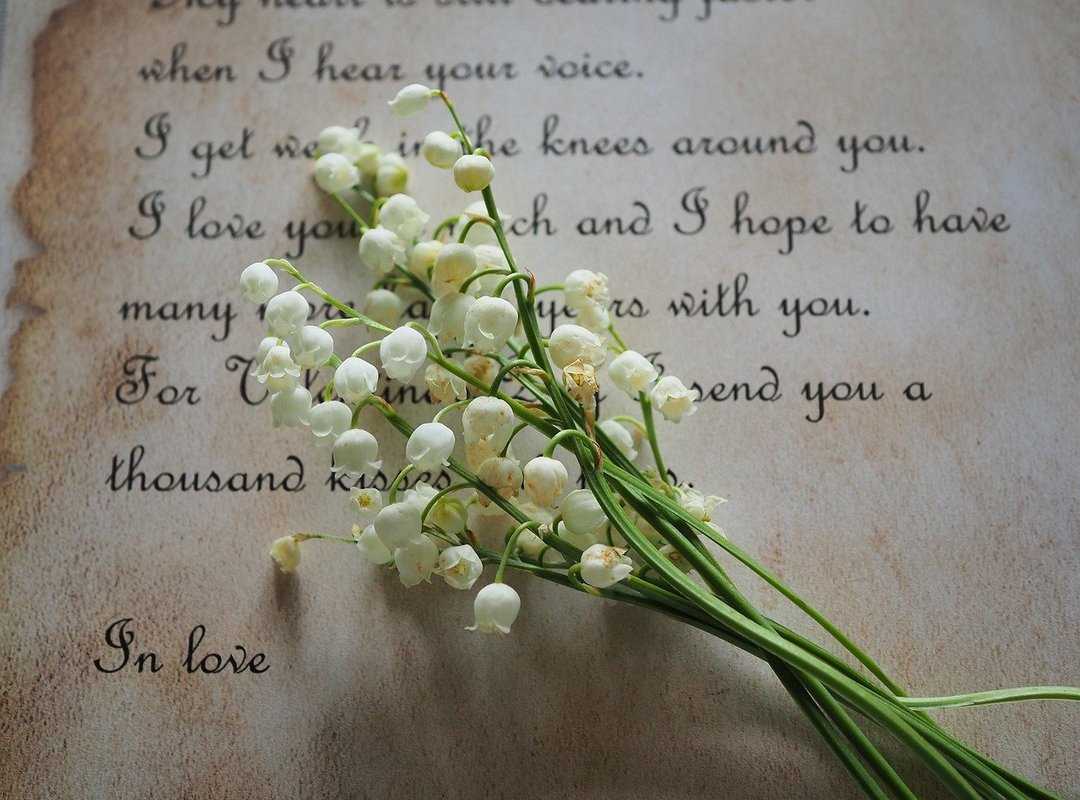
They can whip up a haiku or a sonnet on demand. Impressive, right? But let’s not kid ourselves.
These creations often lack the heart and soul that make human poetry connect.
I’ve seen AI-generated poetry that nails the use of metaphor and evokes emotion. It’s like reading a poem that almost feels human, yet something’s off. It’s that uncanny valley.
Where the words are right, but the spark’s missing. You might read a stanza that sounds deep, but then realize it doesn’t quite hit home. Why?
Because AI, for all its prowess, struggles with the genuine insight that comes from lived experience.
Yet, AI has its place. As a creative assistant, it offers new perspectives. Imagine you’re stuck on a verse.
Why not let an AI spitball ideas? It explores linguistic structures in ways we might not. That’s its strength.
But calling AI an “artist” feels a stretch. It’s more like a curious collaborator.
Curious about trying it yourself? Platforms exist where you can experiment with AI poetry generators. Dive in and see what these tools can do.
Just remember, the magic of poetry often lies in its imperfections (the) very thing AI isn’t great at capturing. It’s a fascinating world, even if a robot can only tiptoe into it.
The Human Touch: Creativity, Ethics, and Poetic Futures
Can robots poetry creation ever truly match the human touch? I don’t think so. Sure, AI can string together words in a way that might pass as creative.
But creativity involves more than just output; it’s about insight and emotion. We need to consider how AI-generated text raises thorny issues about authorship and intellectual property. Is it really “creative” if a machine borrows heavily from existing works?
That’s a big ethical question.
There’s also the bias problem. AI reflects the biases present in its training data, and this can seep into its poetic output, unwittingly perpetuating stereotypes. Yet, I see potential for AI to be a collaborative partner.
It could help human poets brainstorm or even break through writer’s block. As we think about the future, will AI expand poetic boundaries? Or will the unique value of human-crafted verses shine even brighter?
For more on this intersection of tech and art, check out our latest discussion.
Embrace the Future of Poetry
I explored how robots poetry creation reshapes our understanding of art. You might still be skeptical, but this technology learns and synthesizes language in remarkable ways. Dive into AI poetry tools.
Join the conversation about creativity. Don’t just watch (experience) this exciting evolution for yourself. Explore now.