

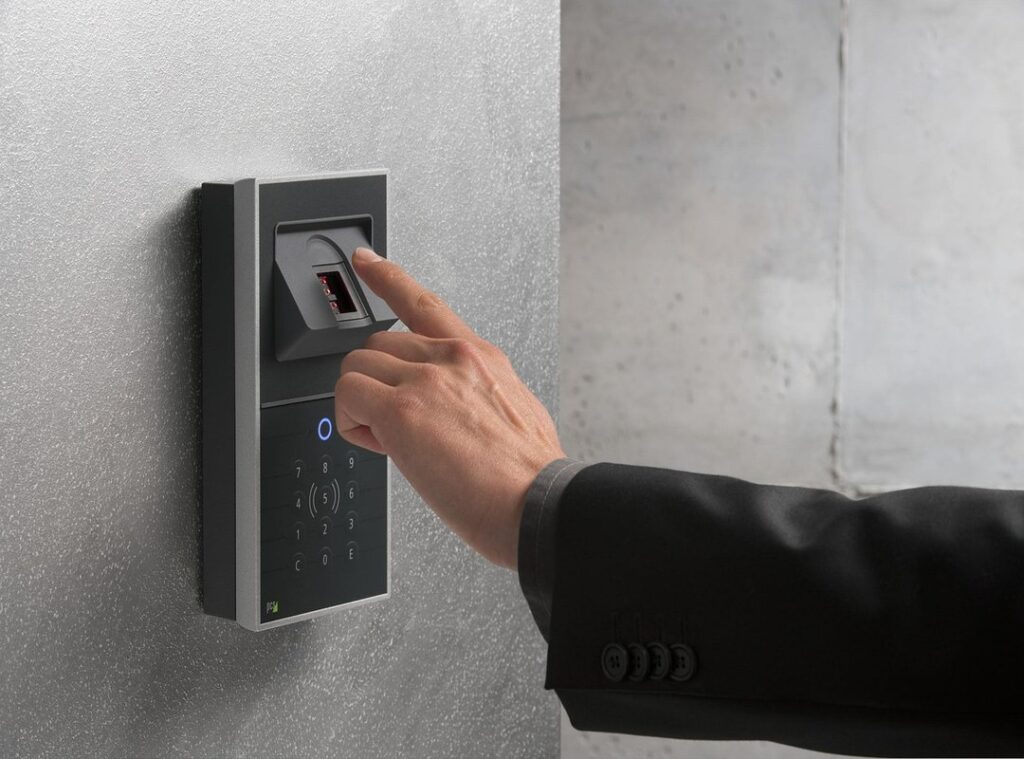
Traditional security methods are failing us. Every day, I see news about data breaches and identity theft. It’s alarming, right?
We live in a world where threats evolve faster than our defenses. How can we stay ahead in securing our digital and physical assets? This article explores the biometric security future and what it means for individuals and organizations.
I’ve spent years analyzing tech innovations and emerging trends. I understand the challenges we face and the importance of staying informed.
Biometrics offer a promising solution, but they aren’t foolproof. What advancements are shaping the space?
In this piece, I’ll break down the modern technologies redefining security and why they matter now.
You’ll gain takeaways on the latest trends and a roadmap for navigating these changes.
I promise to deliver clear, actionable information. You’ll come away with a better understanding of how to protect what matters most in an unpredictable world.
Get ready to dive into the future of biometric security solutions. It’s time to take security seriously.
Beyond Fingerprints and Faces: The New Biometric Frontier
Biometric security seems futuristic, right? But let’s be honest: fingerprints and facial recognition have glaring limitations. They can be spoofed, and privacy?
Out the window. Someone could lift your fingerprint from a glass. Creepy, I know.
Facial recognition isn’t much better, especially when it flubs on identical twins or misfires in poor lighting. So what’s next?
Emerging modalities like behavioral biometrics are stepping up. Imagine identifying someone by their walk or how they type (wild, isn’t it?). Then there’s vascular biometrics, focusing on vein mapping under your skin.
It’s like having a secret password coursing through your veins. Ear acoustics are also entering the mix. Your ear’s shape affects sound in a unique way.
Who knew?
These new methods are harder to mimic, offering continuous authentication. They’ve got real-world applications too. Gait analysis could revolutionize airport security.
Keystroke recognition might be the future of online banking security. And ear acoustics could redefine smartphone activation.
Want the best protection? A multi-modal approach is the way forward. Combining these methods could be the key to our biometric security future, offering resilience against even the craftiest of attackers.
This isn’t sci-fi anymore (it’s) happening now.
The AI Revolution: Biometrics in the Fast Lane
Let’s face it, biometric security is no longer just about fingerprints. With the rise of Artificial Intelligence, we’re stepping into a whole new world of precision. AI and Machine Learning are the engines driving this shift, tackling the chaos of complex datasets.
They’re improving accuracy, sharpening pattern recognition, and cutting down those annoying false positives and negatives.
But what about liveness detection? AI algorithms can now tell if it’s really you or just a clever deepfake. They analyze subtle cues (breathing) patterns, micro-expressions (that) a 3D mask can’t replicate.
It’s like having a digital bouncer that never sleeps.
Predictive biometrics are another game changer. AI can anticipate threats before they happen, recognizing unauthorized access attempts based on behavior. It’s not just about reacting anymore; it’s about predicting and adapting.
These systems learn and evolve, creating a biometric security future that’s as changing as the threats it faces. Neural networks and deep learning are only going to push this further, making biometrics tougher and more reliable. Curious about where this is headed next?
Check out the wearable tech next frontier for more takeaways.
Privacy, Ethics, Data: Navigating the Challenges
Privacy. It’s on everyone’s mind these days, especially with the biometric security future looming large. When we’re talking about using your face, fingerprints, or even your heartbeat as passwords, the stakes are high.
Who gets access? Who keeps it secure? Does that freak you out just a bit?
Because it should.
The ethical issues are even more complex. It’s not just about who can see you. It’s about whether they should.
Let’s get practical. Encrypt your data like Fort Knox. Decentralize storage using blockchain (yes, for real).
Imagine a world where your every move is tracked, potentially discriminated against, or worse, stolen (digital identity theft is a terrifying reality). So how do we protect ourselves? We’ve got to tackle these head-on.
And look at secure multi-party computation as the way forward. But don’t stop there. Regulations like the GDPR and CCPA aren’t just fancy acronyms; they’re lifelines.
We need tough, global standards to shield our identities.
Privacy by design and trust by default (they’re not just buzzwords) have to be the foundation. Companies should be more transparent. Give users control over their data.
It’s time they built trust by being clear. Not just selling security but living it.
Biometrics and the Quantum Conundrum: Navigating the Future
Biometric security isn’t just about using your fingerprint to open up your phone anymore. It’s woven into the fabric of our hyper-connected world, from smart homes to cars. These aren’t just gadgets.
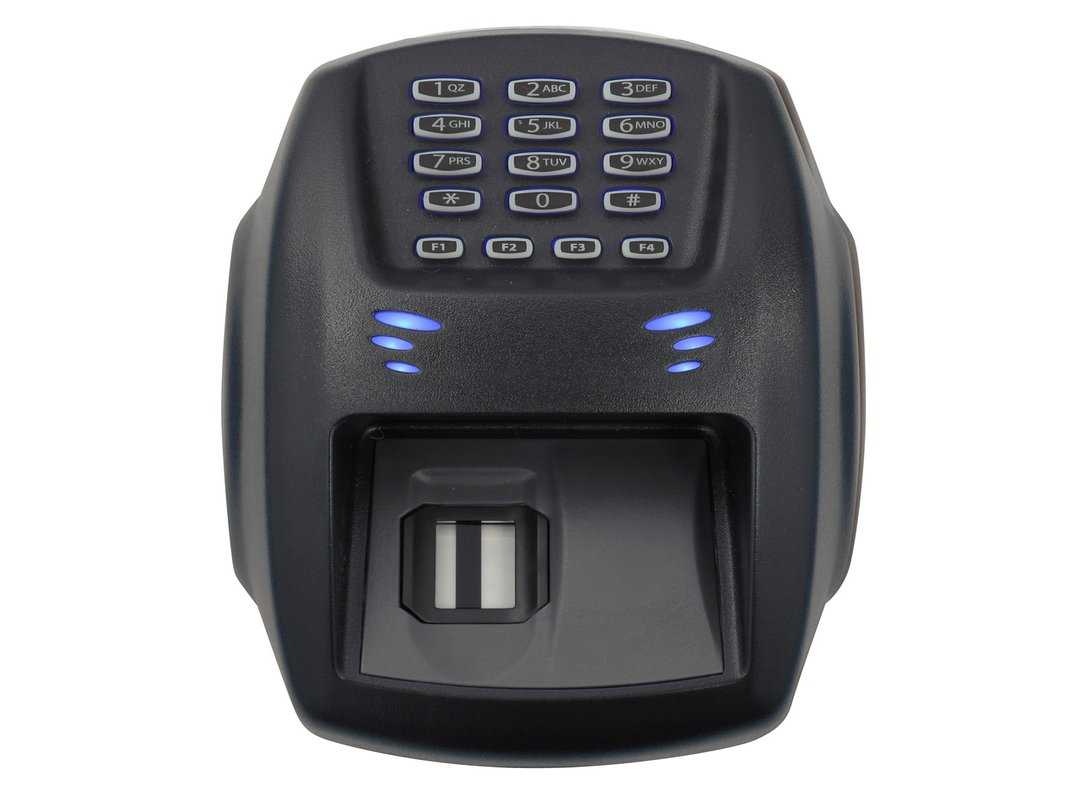
They’re extensions of ourselves. But what’s really fascinating is how edge computing transforms biometrics. Processing data locally speeds things up and boosts privacy.
Who doesn’t want that?
Quantum computing is the wild card here. It could shatter current cryptographic standards. We need quantum-resistant solutions (fast.) The idea of “biometric-as-a-service” is coming, and it’s going to make adoption across platforms smooth.
Think of it as the Netflix for biometrics. Everywhere, all the time.
We’re moving toward a world where biometric authentication knows its surroundings. It adapts to risk levels. Imagine your device adjusting security based on where you are.
Not science fiction (just) the biometric security future.
Interoperability is key. Standards need to be in place for this to work across all services and devices. It sounds obvious, but we all know how tech silos can ruin a good thing.
The future’s exciting. It’s about getting ready for it.
The Road Ahead: Biometrics Shaping Our Future
Biometric tech is the future. It’s not just a buzzword; it’s how we’ll secure everything from our phones to our lives. In healthcare, patient data will be safer, and accessing medical records will become a breeze.
Why struggle with passwords when you can use your fingerprint or face? Finance is no different. Say goodbye to fraud and hello to secure, personalized banking.
No more worrying if your password is strong enough (because who remembers them anyway?).
Travel becomes less of a hassle. Imagine breezing through airport security or hotel check-ins without fumbling for IDs. It’s real and it’s coming fast.
And then there’s enterprise and government: secure data centers and national identity programs that are locked tight. For the consumer tech world, passwordless logins and secure e-commerce will be the norm. So, what’s holding us back from this biometric security future?
Adoption rates and tech costs, mainly. But as costs drop, we’ll see mass adoption.
Curious about where this tech can take us beyond security? Read more about its potential in other fields.
Your Path to Enhanced Security
I know you’re here because securing your digital life matters to you. The challenge of maintaining strong security in a world full of threats is real. Understanding future trends in biometric security future is key for staying ahead.
We need to adopt a forward-thinking approach.
Don’t wait for a breach to take action. Start exploring and implementing advanced biometric strategies today. This isn’t just about technology; it’s about protecting what matters most.
Stay informed about emerging developments in biometric solutions. This knowledge isn’t just power; it’s important for your security system.
Take the next step. Invest in your security now. The future won’t wait, and neither should you.