

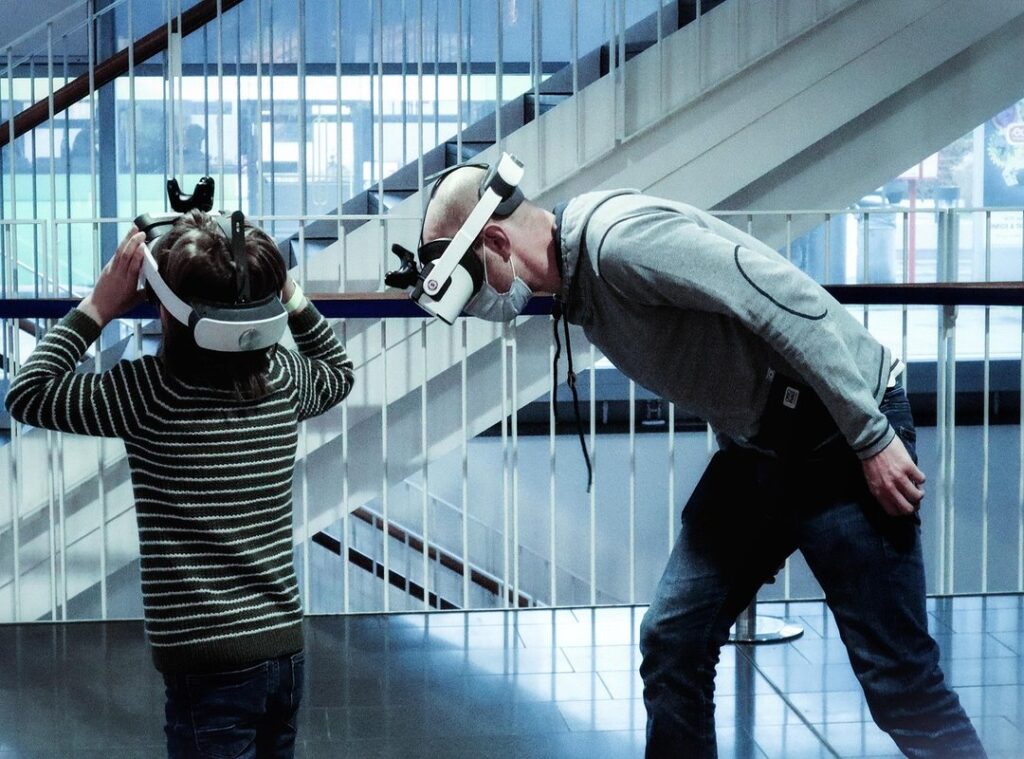
Gaming isn’t just a hobby. Many of us crave an experience that pulls us in, makes us forget the world outside. But let’s face it: there’s a disconnect.
Despite all the advancements, finding truly immersive gaming experiences can feel impossible.
I’ve spent countless hours analyzing the latest in tech, especially in virtual reality gaming. I know what’s out there and what really drives engagement.
This article will help you understand what truly makes a game immersive.
I’ll break down the elements that draw you in and keep you engaged. You’ll get actionable takeaways to raise your gaming experience.
We’ve tracked the evolution of interactive entertainment and the technologies that support it. You can trust that I’m sharing what I’ve learned from real-world analysis.
Get ready for a deep dive into the world of immersive gaming. You’re about to discover how to level up your experience.
Immersion Unplugged: A Deeper Dive
Immersion in gaming isn’t just about dazzling graphics or thunderous soundscapes. It’s a psychological state. Have you ever been so absorbed in a game that you forget the world around you?
That’s the essence of psychological immersion. It’s when a game pulls you into a “flow state,” where time slips away and you’re just there, completely.
But let’s talk about narrative immersion. A game with a compelling story and well-developed characters can make you feel like you’re part of that world. It’s not just about playing; it’s about living the story.
Remember the first time you felt an emotional connection with a character? That’s the power of narrative.
Then there’s systemic immersion. This is where your choices matter. When a game world responds to your actions, it makes you feel like you’re shaping the experience.
You know that feeling when your decisions lead to different outcomes? That’s systemic immersion at work.
Think about games like “The Witcher 3” or “Red Dead Redemption 2.” They draw you in with their storytelling and world-building. In virtual reality gaming, this is taken to another level. You’re not just playing; you’re experiencing.
To truly immerse, a game needs more than just tech. It needs to engage your mind and emotions. Without that connection, all the graphics and sound in the world won’t matter.
Tech’s Immersive Edge: Hardware and Software
When you think about immersion in virtual reality gaming, what comes to mind? For me, it’s all about those high-fidelity displays. 4K and OLED screens have changed the game. They make every pixel count, pulling you into a world that’s almost too real.
And let’s not forget ultrawide monitors and high refresh rates. They aren’t just nice-to-haves; they’re essentials. They boost visual presence, making sure you don’t just see the game, but feel it.
Audio? Oh, that’s a whole other beast. 3D audio and spatial sound surround you in ways I never thought possible. It’s like being in a concert where you control the playlist.
And haptic feedback? Those vibrations aren’t just gimmicks. They’re the unsung heroes of sensory input, making every explosion and footstep connect through your bones.
Virtual Reality (VR) and Augmented Reality (AR) are rewriting the rules of interaction. You’re no longer just a player. You’re a participant.
Specialized peripherals like haptic suits and motion controllers? They’re blurring the lines between player and game, taking interaction to another level.
Now, software optimization. Want smooth gameplay? You need stable frame rates and low latency.
Advanced rendering techniques like ray tracing bring scenes to life, while DLSS/FSR make sure graphics are sharp without killing performance. For more on how technology impacts our digital interactions, learn more. In the end, it’s all about crafting a smooth experience that keeps you glued to your seat (or headset).
Crafting Worlds: Game Design Principles for Deep Engagement
Creating a world that pulls you in. That’s the magic of game design. When developers nail it, you feel like you’re not just playing a game.
You’re living it. Open-world structures are a big part of this. They let you roam, discover, and believe in the world around you.
Environmental storytelling adds layers too. It’s those little details that make you pause and think, “Wait, what happened here?”
Player agency is key. When your choices actually matter, and the narrative branches based on what you decide, you feel a real connection. Customizable characters aren’t just a fun add-on; they’re a necessity for true immersion.
Who doesn’t love a good character creator, right?
And let’s not forget minimal UI. Integrating user interface elements into the game world keeps you focused and present. It’s like virtual reality gaming without the headset.
Adaptive AI and changing events make a game feel alive. Non-player characters reacting to your actions? That’s the kind of stuff that sticks with you.
Sound design is another unsung hero. Ambient sounds and music can change everything. They guide you subtly without pulling you out of the experience.
Oh, and if you’re into exploring e learning platforms education, you’ll find similar immersive principles there too.
Upgrade Your Gaming Setup: Immersive Means Business
Let’s talk displays. I don’t care what anyone says, OLED is king for those rich colors. But if you’re on a budget, ultrawide monitors give a killer panoramic view.
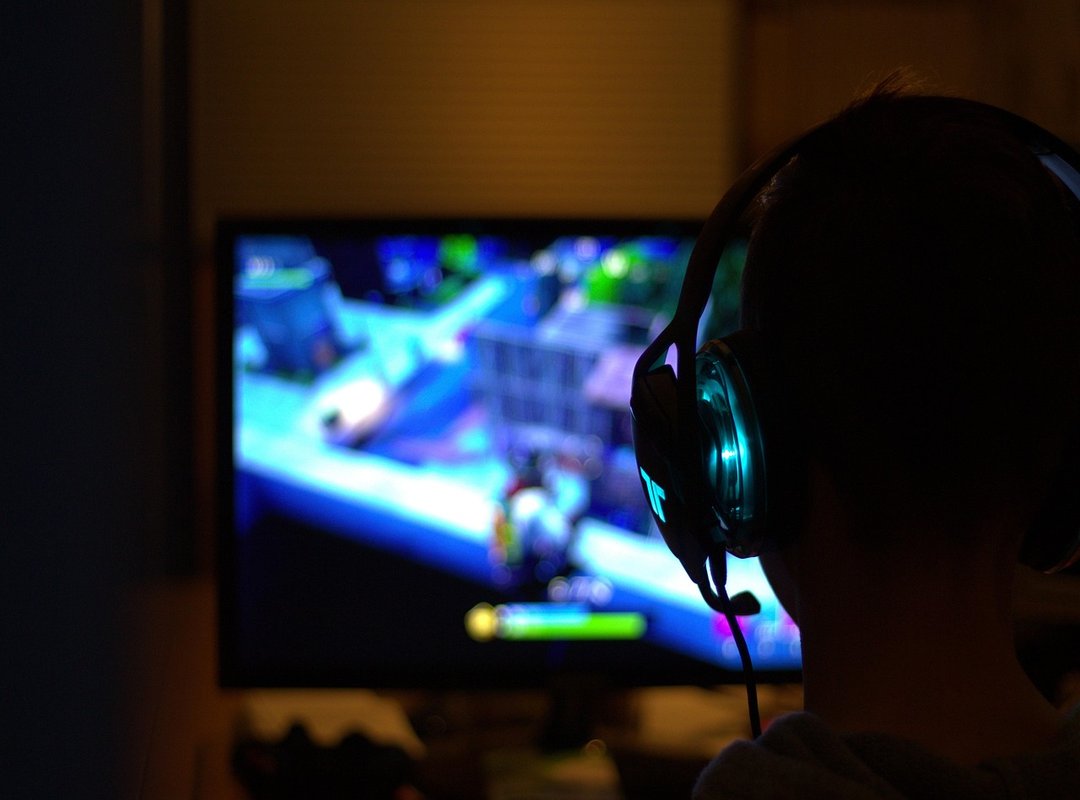
High refresh rates are a must. Who wants screen tearing when you’re deep in a battle? Not me.
Now, audio. Don’t cheap out here. A premium headset can transform your world.
A good surround sound system or soundbar wraps you in the experience. Imagine hearing footsteps behind you that are actually behind you.
Virtual reality gaming is a whole different ballgame. Whether you want entry-level or high-end, comfort is key. You don’t want a dent in your forehead, trust me.
Room-scale setups let you move around (see) what this resource says about it.
Don’t forget ergonomics. Get a good chair, proper lighting, and sort out your cables. It clears your mind, and your desk.
Finally, for smooth gameplay, upgrade your hardware or tweak system settings. The difference in frame rates and load times is like night and day.
The Horizon of Play: Future Trends in Immersive Gaming
Virtual reality gaming is on the brink of a massive transformation. Ever thought about playing without a controller? Enter Brain-Computer Interfaces (BCI).
These could let us control games with sheer thought, taking immersion to another level. Imagine feeling the game. Advanced haptics and full-body suits could let us experience every impact and sensation, turning gaming into a full-body experience.
Now, let’s talk AI. It’s not just about smarter enemies. AI-driven content generation promises changing narratives, crafting personalized stories that evolve as you play.
Cloud gaming and the metaverse mean you could access these experiences anywhere, anytime. It opens doors to a truly interconnected gaming world. But what’s next?
It’s like having a game that never ends.
Sensory realism. Smell, taste, even temperature could soon be simulated, making games more lifelike than ever. Exciting, isn’t it?
Gaming’s future looks immersive. Are you ready for it?
Level Up Your Gaming Experience
The desire to break free from shallow gaming is real. I know it. You want to dive deeper into those immersive worlds and feel everything.
Understanding how psychological triggers, advanced hardware, and smart design work together helps you achieve that.
So what’s next? Upgrade your gear, try that new VR experience, or appreciate the details in your favorite games. Virtual reality gaming is evolving, and so should you.
Don’t settle for less. Take action today. Explore your options and embrace the future of gaming.
You deserve to feel every victory and setback like never before.